 LANGUAGE


Introduction to expanded pvc Recycling
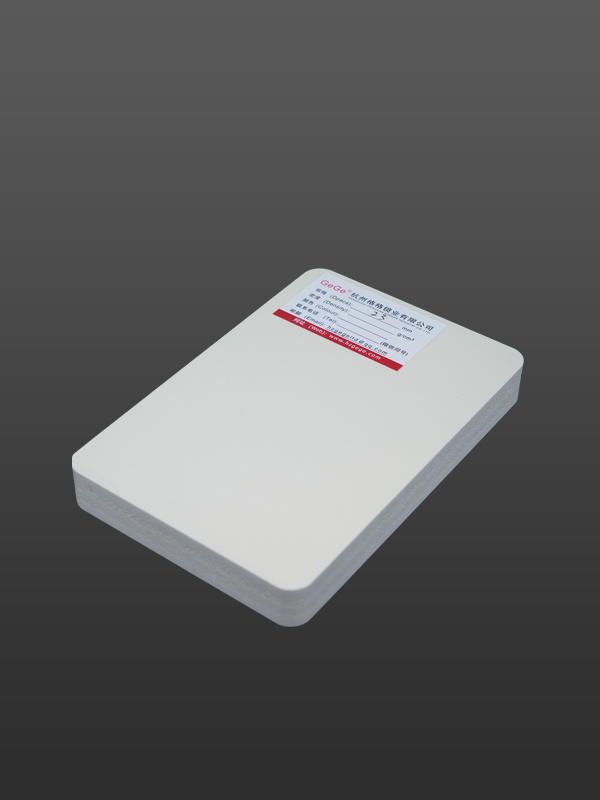
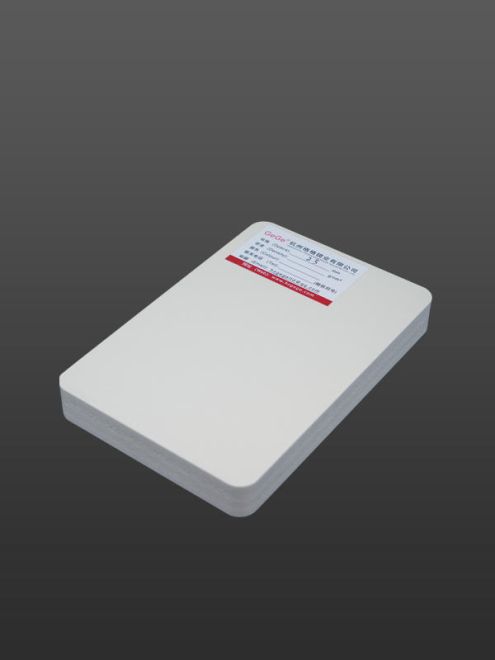
Expanded PVC, also known as polyvinyl chloride foam board, is a versatile material extensively utilized in various industries, ranging from construction to display signage. Despite its widespread use, a critical question arises: how feasible is it to recycle expanded PVC effectively, especially on a large scale? The recycling challenges and opportunities are shaped by several aspects, including its composition, properties, and existing recycling methods. In this article, we'll delve into these factors and examine the potential environmental, economic, and policy-related impacts of recycling expanded PVC.
Composition and Properties of Expanded PVC
Material Composition
Expanded PVC is primarily composed of polyvinyl chloride, a thermoplastic polymer. It is created by polymerizing vinyl chloride monomer. This process results in a lightweight, rigid plastic that offers excellent resistance to moisture and a variety of chemicals, making it suitable for both indoor and outdoor applications. Its density can range from 3 lbs/ft3 to 25 lbs/ft3, depending on its intended use.
Characteristics and Applications
The intrinsic flame-retardant nature of expanded PVC, along with its resistance to mold, mildew, and weather elements, contributes to its popularity. Its versatility extends beyond basic applications, serving as an ideal material for trade shows, signage, and even vehicle interiors. Factories and suppliers in China and around the world produce expanded PVC in numerous colors, sizes, and thicknesses, further enhancing its usability across various industries.
Current Recycling Methods for Expanded PVC
Mechanical Recycling
The most common method for recycling expanded PVC is mechanical recycling, which involves grinding the material into a powder form and then reintroducing it into the manufacturing process. This method works well for uncontaminated scrap; however, it can be limited by the presence of mixed materials or additives that can reduce the quality of the recycled product.
Chemical Recycling
Chemical recycling represents a more advanced approach, breaking down PVC into its basic chemical components for reuse. Although promising, this method requires significant energy and sophisticated technology, which limits its current widescale application. However, ongoing research might overcome these challenges, making chemical recycling a more viable option in the future.
The Role of Manufacturers in PVC Recycling
Incorporating Recycled Materials
Manufacturers are increasingly urged to incorporate recycled materials into their production processes to reduce the carbon footprint and dependency on virgin resources. By doing so, they not only contribute to environmental sustainability but also potentially reduce production costs in the long term. Factories can leverage advancements in recycling technologies to incorporate recycled PVC without compromising the quality of the final products.
Developing Recycling Infrastructure
To facilitate the wider adoption of recycling, there is a need for significant investment in recycling infrastructure. Manufacturers, especially in China where PVC production is extensive, play a pivotal role in this development. Establishing robust recycling systems can ensure that more expanded PVC waste is effectively collected and processed.
Environmental Impact of Expanded PVC Waste
Waste Accumulation and Pollution
Without efficient recycling, expanded PVC waste can contribute to environmental pollution. As a durable material, it does not decompose easily, leading to long-term accumulation in landfills. This persistence poses a risk to ecosystems and highlights the urgent need for improved recycling and waste management practices.
Carbon Footprint Considerations
The production and disposal of PVC materials contribute significantly to greenhouse gas emissions. Recycling offers a means of reducing the carbon footprint by saving energy and resources that would otherwise be used in manufacturing new materials. Suppliers and factories can potentially reduce emissions by integrating recycling into their operations.
Technological Innovations in PVC Recycling
Advanced Sorting Technologies
Innovative sorting technologies, such as near-infrared (NIR) sorting systems, have been developed to improve the efficiency of separating PVC from other plastics. These technologies can enhance the purity of collected materials, making recycling more viable and economically beneficial.
Research and Development
Ongoing research in the field of materials science continues to explore potential innovations that could revolutionize the recycling of expanded PVC. New chemical processes and catalysts are being studied to make recycling more energy-efficient and cost-effective, which could ultimately lead to broader adoption by manufacturers and suppliers globally.
The Economic Viability of Recycling Expanded PVC
Cost Analysis
The economics of recycling expanded PVC can be complex, as it involves balancing the costs of collection, processing, and reintegration with potential savings from reduced material purchases. While certain elements of the process can be cost-intensive, long-term economic benefits can accrue from reduced dependence on virgin materials and energy savings.
Market Demand for Recycled PVC
The demand for sustainable materials is increasing, with more companies seeking out recycled products to meet consumer preferences and regulatory demands. Factories that can supply recycled expanded PVC may find a competitive advantage in this growing market.
Regulatory and Policy Considerations
Global Regulations and Standards
Regulatory frameworks play a crucial role in shaping the recycling landscape for expanded PVC. Many countries are implementing stricter regulations on plastic waste, compelling manufacturers and suppliers to adopt sustainable practices and invest in recycling technologies.
Policy Initiatives and Incentives
Governments can encourage the recycling of expanded PVC through various policy measures, including subsidies, tax incentives, and grants for research and infrastructure development. Such initiatives could accelerate advancements and increase participation in recycling programs.
Consumer Awareness and Responsibility
Educating Consumers
Increasing consumer awareness about the environmental benefits of recycling and the available recycling options for expanded PVC is essential. Educated consumers are more likely to participate in recycling programs and choose products made from recycled materials.
Encouraging Responsible Disposal
Consumers play a critical role in the recycling ecosystem by ensuring that PVC waste is properly sorted and disposed of. Promoting responsible disposal habits can enhance the efficiency of recycling systems and help achieve greater sustainability goals.
Conclusion: The Future of Expanded PVC Recycling
The recycling of expanded PVC presents both challenges and opportunities. While technological, economic, and regulatory hurdles exist, ongoing advancements and increased awareness are paving the way for more effective recycling practices. Manufacturers, suppliers, and consumers all have a role to play in fostering a sustainable future for this versatile material.
GeGe Provide Solutions
GeGe is committed to supporting the recycling of expanded PVC by offering comprehensive solutions tailored to the needs of factories and suppliers. With a focus on innovation, we provide advanced recycling technologies and processes that ensure high-quality recycled materials. Our efforts aim to reduce environmental impact while optimizing cost-effectiveness for our partners. By collaborating with GeGe, stakeholders can enhance their sustainability practices and contribute to a greener future.