
 LANGUAGE


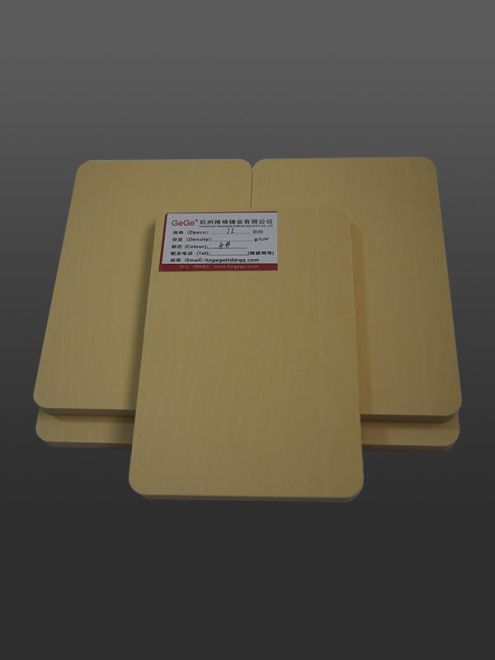
Choosing an expanded PVC sheet supplier can feel like online dating: glossy profiles, big promises, and you still end up ghosted on delivery day.
This 2026 guide explains clear selection steps, backed by data from ReportLinker’s plastics market analysis, so you lock in reliable, cost-effective partners.
📌 2026 market trends shaping expanded PVC sheet supplier standards
By 2026, buyers will demand higher performance, greener formulas, and faster delivery from expanded PVC sheet suppliers. Clear technical data and stable quality will drive purchasing decisions.
Leading brands like GeGe will stand out by offering certified products, design flexibility, and reliable stock of key options such as PVC Foam Board – Lightweight, Waterproof, and Durable Building Material.
1. Shift toward higher-density, multi-purpose sheets
Buyers will favor boards that perform in signage, furniture, and construction. Density, strength, and surface finish must match multiple indoor and outdoor uses.
- Support for CNC routing and digital printing
- Stable thickness and color control across batches
- High-density panels like 22 mm High‑Density White Flexible WPC Foam Board – Premium Building Material Panel
2. Demand for decorative and embossed finishes
In 2026, customers will want more ready-to-install decorative boards that reduce secondary processing and labor on site.
- Embossed textures for walls and ceilings
- Single-sided patterns for cost control
- Options like 23mm White Single‑Sided Embossed PVC Foam Sheet – Decorative Wall Panel
3. Digital ordering and transparent documentation
Strong suppliers will use online catalogs, instant pricing, and digital documents to support global buyers and reduce quoting time.
| Key digital feature | Buyer benefit |
|---|---|
| Online spec sheets | Faster design decisions |
| Real-time stock view | Better project scheduling |
| Downloadable test reports | Simpler approval process |
4. Global reach with local support
Distributors and factories that combine export experience with local warehouses will win long-term contracts and repeat orders.
- Regional stock for fast delivery
- Local language sales and after-sales support
- Flexible MOQs for large and small buyers
📌 Key technical specifications for evaluating expanded PVC sheet quality
In supplier selection, focus on density, thickness tolerance, surface finish, fire rating, and weather resistance. Clear test data proves long-term performance in real projects.
Compare these values across suppliers to find the best balance of strength, weight, and cost for your 2026 building, display, or furniture applications.
1. Density, thickness tolerance, and weight control
Consistent density and tight thickness tolerance ensure boards cut cleanly, glue well, and match design drawings without costly rework on site.
| Specification | Typical range | Why it matters |
|---|---|---|
| Density (g/cm³) | 0.45–0.70 | Impacts strength and weight |
| Thickness tolerance | ±0.1–0.3 mm | Ensures flat assembly |
| Weight tolerance | ±5% | Helps design accurate supports |
2. Mechanical strength and impact resistance
Check bending strength, tensile strength, and impact resistance, especially for furniture, cabinets, and high-traffic wall panels.
- Ask for ISO or ASTM test reports
- Request samples for routing and screw tests
- Verify no brittle cracking at low temperature
3. Surface quality, printability, and bonding
Surface smoothness affects printing, painting, lamination, and bonding. A good sheet should support ink adhesion and clean edges after cutting.
- Low surface defects: pits, lines, or color spots
- Good ink and film adhesion after testing
- Stable color shade between batches
4. Fire, UV, and chemical resistance benchmarks
For public spaces and outdoor use, verify fire performance, UV stability, and resistance to cleaners, moisture, and common chemicals.
📌 Environmental compliance and recycling practices for responsible PVC sheet sourcing
More buyers now require low-VOC, lead-free PVC sheets with clear recycling paths. Suppliers must show real environmental data, not vague claims.
In 2026, responsible sourcing will combine safe formulas, clean production, and take-back or recycling programs that reduce overall project waste.
1. Verified low-toxicity formulations
Choose suppliers that avoid heavy metals and limit harmful plasticizers, backed by independent reports and consistent batch testing.
- Lead-free and cadmium-free stabilizers
- Compliance with RoHS and REACH where needed
- Regular third-party lab checks
2. Factory-level environmental management
Good partners manage emissions, waste, and water use with clear systems and certifications that match local and export rules.
| Practice | Supplier benefit | Buyer benefit |
|---|---|---|
| ISO 14001 system | Structured control | Lower compliance risk |
| Waste recycling | Less raw loss | Greener supply image |
| Energy monitoring | Lower costs | Support ESG reporting |
3. Recycling and take-back solutions
Ask how the supplier handles offcuts and end-of-life boards. Real recycling plans lower landfill use and improve brand reputation.
- Internal re-grind use in core layers
- Guides on sorting and collection
- Links to local recyclers or partners
📌 Comparing logistics, lead times, and service capabilities among suppliers like GeGe
As demand rises in 2026, logistics strength can matter more than small price gaps. Stable shipping wins more repeat projects.
Suppliers like GeGe that mix strong production with flexible transport, packaging, and service terms will better support complex schedules.
1. Lead time reliability and stock planning
Check both standard and peak-season lead times, plus how suppliers protect key sizes from stock-outs.
| Item | Typical value |
|---|---|
| Standard production time | 10–20 days |
| Peak-season time | 20–30 days |
| Safety stock for hot sizes | Yes/No |
2. Packaging, loading, and damage control
Safe, repeatable packaging reduces breakage and disputes. Examine samples of pallets and labeling before signing long-term deals.
- Moisture-resistant wrapping and corner protection
- Clear labels for size, thickness, and batch
- Photos before container sealing
3. Responsive communication and after-sales support
Fast, clear replies help you solve design, customs, and delivery issues. This lowers risk and supports long-term cooperation.
- Dedicated export account manager
- 24–48 hour response on claims
- Technical advice for cutting and installation
📌 Risk management: ensuring long-term reliability with established partners such as GeGe
Risk control in 2026 means more than low price. Buyers need stable materials, predictable quality, and clear backup plans.
Working with experienced suppliers such as GeGe can reduce delays, quality disputes, and hidden costs across full project life cycles.
1. Multi-level quality assurance and testing
Confirm how the supplier checks raw materials, in-process boards, and final pallets before shipment to your site.
- Incoming material inspection and records
- In-line thickness and density checks
- Final sampling with traceable batch numbers
2. Contract terms and contingency planning
Clear contracts reduce risk during market swings. Define quality standards, claim windows, and backup supply options.
| Clause | Purpose |
|---|---|
| Quality spec annex | Avoid disputes |
| Compensation rules | Faster resolution |
| Alternate factory plan | Support urgent orders |
3. Long-term partnership and continuous improvement
Stable partners learn your standards and keep improving recipes, surfaces, and logistics based on feedback and new project needs.
- Annual performance reviews
- Joint new product trials
- Shared forecasting for key items
Conclusion
Choosing an expanded PVC sheet supplier in 2026 means balancing technical data, environmental care, and strong logistics. Buyers should test samples, review certificates, and compare real performance, not just brochure claims.
Partners like GeGe that offer stable quality, design flexibility, and reliable global service can greatly reduce long-term project risk and total cost.
Frequently Asked Questions about expanded pvc sheet supplier
1. How do I quickly compare different expanded PVC sheet suppliers?
Request the same thickness and density from each supplier, then compare test reports, price, lead time, and sample performance for printing, cutting, and bonding.
2. What minimum data should a reliable supplier provide?
You should receive density, thickness tolerance, mechanical strengths, fire rating, recommended uses, and clear installation or processing guidelines for each product line.
3. Are all expanded PVC sheets suitable for outdoor use?
No. Only boards with UV-stable formulas and tested weather resistance suit long-term outdoor use. Always confirm UV tests and ask for reference projects.
4. How can I check if the product is really eco-friendlier?
Look for third-party test reports, RoHS or REACH compliance, and details of recycling or waste programs instead of general “green” claims.
5. Why choose an established brand like GeGe over a low-cost new supplier?
Established brands usually offer better quality consistency, safer formulations, and stronger logistics. This reduces rework, delays, and hidden costs over the full project timeline.