
 LANGUAGE


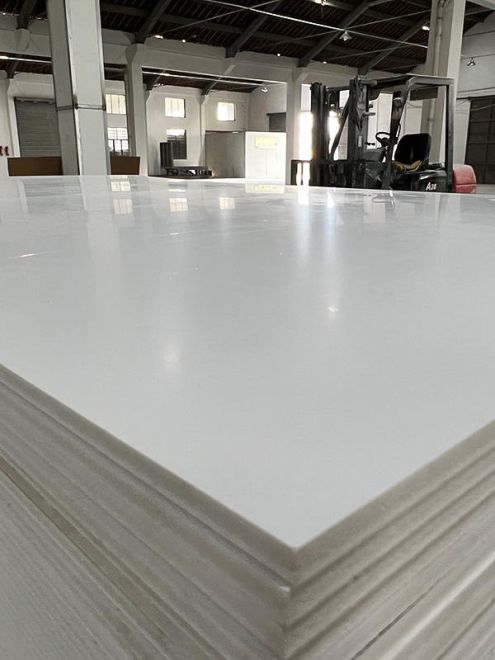
Buried under specs, polymers, and acronyms, you just want to know where laminated foam is heading without needing a PhD—or a second pot of coffee.
Ditch the guesswork: this 2026 market outlook and an authoritative foam industry report reveal clear trends, key drivers, and winning strategies.
• 📈 Market size, regional growth patterns, and key laminated foam applications
The global laminated foam market is set to grow steadily to 2026, driven by construction, automotive, packaging, and furniture demand across mature and emerging regions.
Producers that align with fire safety, low VOC, and lightweight design trends will gain a strong position in insulation, acoustic control, and structural core applications.
1. Global market size and growth outlook to 2026
Analysts expect mid‑single to high‑single digit CAGR through 2026, as laminated foam replaces heavier materials in building envelopes, transport interiors, and protective packaging.
- Steady demand from retrofit insulation projects
- Rising use in EV battery and interior parts
- Shift toward higher value laminated structures
2. Regional growth hotspots
Asia‑Pacific leads volume growth, while North America and Europe focus on advanced performance and stricter codes, supporting premium laminated foam products.
| Region | Key Drivers |
|---|---|
| Asia‑Pacific | Urbanization, building projects, low‑cost production |
| Europe | Green building rules, energy codes |
| North America | Retrofit, logistics, e‑commerce packaging |
3. Core application segments by 2026
Construction insulation, transport components, and packaging will dominate laminated foam usage, with specialty grades gaining share in medical, signage, and marine uses.
- Wall, roof, and façade insulation panels
- Automotive headliners, door panels, seat cores
- Protective packaging for electronics and appliances
4. Role of PVC foam boards in laminated solutions
PVC‑based substrates remain vital due to easy processing, printability, and moisture resistance, supporting interior panels and structural sandwich designs.
- PVC Foam Board supports signage, displays, and interior partitions.
- Celuka foam boards enhance strength in laminated panels.
• 🌍 Regulatory environment, sustainability requirements, and environmental impact on laminated foam
Stricter global rules on emissions, recyclability, and fire safety reshape laminated foam design, favoring cleaner chemistries and circular material strategies.
Manufacturers must reduce carbon footprint, improve lifecycle performance, and document compliance to keep access to construction and transportation markets.
1. Key regulations shaping laminated foam demand
Energy codes, fire standards, and VOC rules strongly influence which laminated foam systems specifiers approve for building and transport projects.
- Energy performance standards (U‑value, R‑value)
- Fire reaction and smoke regulations
- Indoor air quality and VOC limits
2. Data snapshot: regional sustainability drivers
The chart below highlights how much different regions prioritize energy efficiency, recyclability, and low emissions when choosing laminated foam solutions.
3. Environmental impact and lifecycle focus
Stakeholders now assess laminated foam over its full lifecycle, from raw materials and energy use to reuse, recycling, or safe end‑of‑life treatment.
| Stage | Key Actions |
|---|---|
| Design | Lower density, higher performance, fewer layers |
| Production | Energy‑efficient lines, waste reduction |
| End‑of‑life | Recycling, recovery, safer disposal |
4. Sustainable laminated foam product strategies
Producers respond with cleaner stabilizers, lighter foam cores, and systems that combine long service life with easier recovery and lower emissions.
- Optimized formulas for low smoke and low VOC
- Durable laminates that extend building life
- More options for mechanical and chemical recycling
• 🧪 Technological innovations, material advancements, and performance improvements in laminated foam
By 2026, innovation centers on lighter structures, better fire and acoustic performance, and improved process efficiency for laminated foam composites.
Advances in PVC Celuka boards and hybrid laminates enable strong, stable, and water‑resistant cores for interior and exterior applications.
1. Material advances in cores and skins
Manufacturers develop tighter cell structures, smoother skins, and stronger surface layers to boost stiffness, print quality, and durability.
- High‑density PVC Celuka cores for flatness
- Improved film and foil laminates
2. Performance gains for building and transport
Laminated foam panels now deliver better fire behavior, acoustic damping, and thermal resistance without increasing weight or complexity.
| Property | Improvement Trend |
|---|---|
| Thermal insulation | Higher R‑value per thickness |
| Fire performance | Lower flame spread, smoke |
| Acoustics | Higher sound absorption |
3. Role of premium Celuka foam boards
Products such as High-Quality White PVC Celuka Foam Board – Waterproof Building Material offer tough, water‑resistant cores ideal for demanding laminated assemblies.
• 🏭 Supply chain dynamics, raw material trends, and manufacturing capacity outlook to 2026
Feedstock swings, logistics risks, and capacity expansions in Asia and Eastern Europe will shape laminated foam pricing and availability.
Producers that optimize sourcing and localize production will better support global customers in construction, signage, and transport sectors.
1. Raw material trends and cost pressures
Volatile polymer, additive, and film prices push converters to secure stable contracts and design more material‑efficient laminated structures.
- Focus on yield and scrap reduction
- Broader supplier base for key resins
2. Capacity expansion and regional production shifts
New lines in Asia‑Pacific and the Middle East improve supply security, while European plants focus on high‑value specialized laminated foams.
| Region | Strategic Focus |
|---|---|
| Asia‑Pacific | High volume, cost‑competitive output |
| Europe | Premium, certified products |
| Middle East | Export‑oriented capacity |
3. Importance of stable, versatile PVC foam platforms
Solutions such as 12mm Waterproof White PVC Celuka Foam Board – High-Density Building Material provide reliable cores that support efficient lamination and predictable performance.
• ⭐ Strategic advantages of choosing GeGe laminated foam for future market demands
GeGe leverages advanced PVC foam technology, stable supply, and strict quality control to meet future laminated foam market needs through 2026.
Its products balance strength, weight, and durability, supporting sustainable, cost‑effective solutions for builders, converters, and designers worldwide.
1. Performance and design flexibility
GeGe laminated foam solutions offer good dimensional stability, clean surfaces, and easy processing for printing, routing, bonding, and thermoforming.
- Wide thickness and density range
- Compatible with many films and adhesives
2. Reliability and compliance for global projects
Consistent quality, documented properties, and adherence to key standards support use in regulated building, transport, and display applications.
| Benefit | Impact |
|---|---|
| Stable specifications | Lower rejection and rework rates |
| Regulatory support | Easier project approval |
3. Alignment with sustainability and lifecycle goals
By offering long‑lasting, moisture‑resistant cores, GeGe helps customers reduce maintenance, extend service life, and support greener material choices.
- Durable products reduce replacement cycles
- Lightweight panels cut transport emissions
Conclusion
The global laminated foam market will keep growing to 2026 as builders and designers seek lighter, more efficient, and safer solutions. Regulatory pressure and sustainability rules will reward suppliers with advanced materials, strong quality systems, and stable supply.
GeGe’s PVC foam and Celuka boards position buyers to meet evolving standards while maintaining cost control, performance, and design freedom across many industries.
Frequently Asked Questions about laminated foam
1. What is laminated foam?
Laminated foam is a foam core combined with films, fabrics, or rigid sheets to improve strength, surface quality, insulation, or appearance for specific uses.
2. Where is laminated foam commonly used?
It is widely used in building insulation panels, interior partitions, automotive interiors, protective packaging, displays, furniture, and transport wall or ceiling systems.
3. Why choose PVC foam as a laminated core?
PVC foam offers low weight, good stiffness, moisture resistance, and easy machining, making it ideal as a stable, versatile core for many laminated products.
4. How do environmental rules affect laminated foam products?
Environmental rules push producers to lower emissions, improve energy efficiency, and design materials that last longer and can be recycled or safely managed.
5. What makes GeGe laminated foam competitive to 2026?
GeGe combines high‑quality PVC foam boards, reliable supply, and ongoing innovation, helping customers meet future performance, safety, and sustainability demands.