 LANGUAGE


Assessing Supplier Quality Standards
When it comes to selecting a pvc foam core material supplier, assessing the supplier’s quality standards should be a top priority. High-quality materials can significantly enhance the finished product's durability and performance. Suppliers from China often offer diverse quality levels, so it is vital to ensure their materials meet or exceed industry standards.
Reviewing Certification and Compliance
Check if the supplier complies with international quality standards and possesses the relevant certifications, such as ISO 9001. These certifications indicate that the supplier maintains a consistent quality management process.
Conducting Material Testing
Consider requesting sample materials for independent testing to verify their quality. This step is crucial to confirm that the material will perform as required in your specific applications.
Evaluating Supplier Reputation and Experience
The reputation and experience of a supplier play a critical role in determining their reliability. Partnering with a seasoned manufacturer ensures consistency in supply and product quality.
Investigating Supplier History
Research how long the supplier has been in business and their track record in the industry. Experience often correlates with expertise and the ability to handle complex orders efficiently.
Seeking Feedback from Past Clients
Look for testimonials and reviews from other businesses that have worked with the supplier. A supplier with a strong reputation for customer satisfaction is likely a safe choice.
Analyzing Cost and Pricing Structures
Understanding the supplier’s cost and pricing structures is essential to ensure you receive competitive rates without compromising quality.
Comparing Market Prices
Conduct a thorough market analysis to compare prices from different suppliers. Be cautious of prices significantly lower than the market average, as they may indicate inferior materials.
Evaluating Value Added Services
Consider whether the supplier offers additional services, such as technical support or customized solutions, which can add value to your purchase.
Considering Customization Capabilities
Customizable materials can better meet specific project requirements. Evaluate the supplier's ability to provide tailored solutions.
Assessing Flexibility in Design
Determine if the supplier can accommodate design changes, such as variations in thickness, density, or surface finish, to meet your unique needs.
Understanding Custom Order Processes
Inquire about the processes and lead times for custom orders to manage project timelines effectively.
Reviewing Lead Time and Delivery Efficiency
Efficient delivery and short lead times are crucial for maintaining project schedules. A reliable supplier should ensure timely fulfillment.
Assessing Inventory Management
Evaluate the supplier's inventory management practices. Suppliers with sufficient stock levels can drastically reduce lead times.
Analyzing Shipping and Logistics
Check the efficiency of the supplier's shipping processes and their partnership with logistics providers to ensure prompt delivery.
Understanding Material Specifications and Options
Thoroughly understanding the specifications and options available will help you make informed decisions based on project requirements.
Evaluating Thickness and Density Options
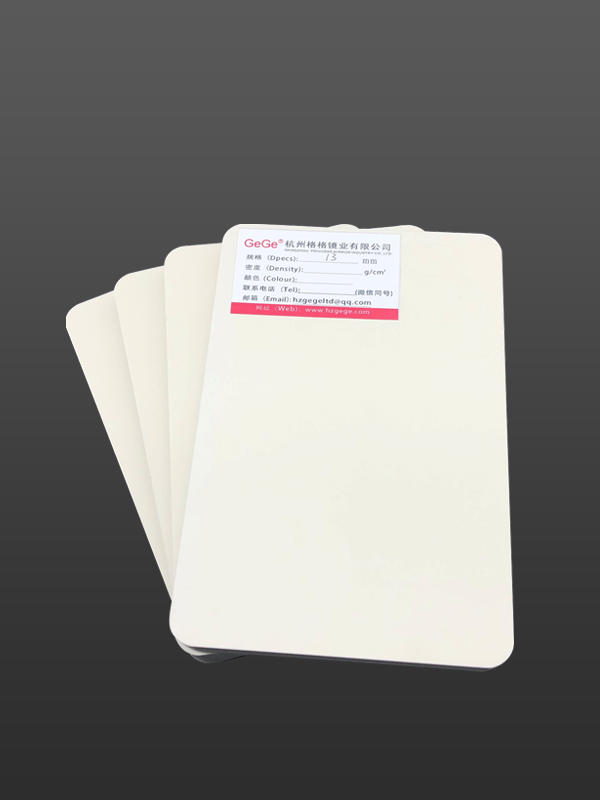
PVC foam boards come in various thicknesses ranging from 1mm to 45mm. Thinner boards are suitable for lightweight applications, while thicker boards excel in heavy-duty uses.
Considering Surface Finish Options
Decide between smooth and matte finishes based on whether your application requires a non-glossy appearance or enhanced printability.
Evaluating Customer Support and Service Quality
Strong customer support ensures smooth communication and swift issue resolution.
Testing Responsiveness and Communication
Reach out with inquiries to gauge the supplier's responsiveness and willingness to assist. Timely responses are a good indicator of their service quality.
Examining After-Sales Support
Consider the level of support available after purchase, such as assistance with installation or addressing defects.
Checking Supplier’s Compliance and Certifications
It is crucial to work with suppliers who adhere to legal and industry standards.
Ensuring Regulatory Compliance
Verify that the supplier follows relevant regulations and industry standards, which assures the materials' safety and reliability.
Reviewing Environmental Certifications
If sustainability is important to your project, check for environmental certifications that demonstrate the supplier’s commitment to eco-friendly practices.
Assessing Logistics and Supply Chain Reliability
A strong supply chain supports consistent order fulfillment and mitigates risks of supply disruptions.
Analyzing Supply Chain Partnerships
Investigate the supplier’s partnerships with raw material providers and logistics companies to ensure a robust supply chain.
Evaluating Risk Management Practices
Determine how the supplier manages potential risks such as material shortages or supplier failures to predict and prepare for disruptions.
Prioritizing Supplier’s Technological Capabilities
Suppliers with advanced technological capabilities can offer enhanced products and services.
Exploring Manufacturing Technologies
Learn about the technologies the supplier employs in their manufacturing processes. Advanced machinery can improve product quality and manufacturing efficiency.
Assessing Digital Integration
Check if the supplier utilizes digital systems for order tracking and customer service, which can enhance communication and operational transparency.
GeGe Provide Solutions
In choosing a reliable PVC foam core material supplier, prioritize those who uphold high quality standards, maintain robust logistics, and offer competitive pricing. Suppliers in China can provide a range of quality materials, so conducting thorough research and testing is key. GeGe offers solutions to streamline selection processes, providing insights into supplier evaluation, compliance checks, and technological assessments. By focusing on quality, efficiency, and service, GeGe ensures you align with a supplier who meets your business needs effectively.