 LANGUAGE


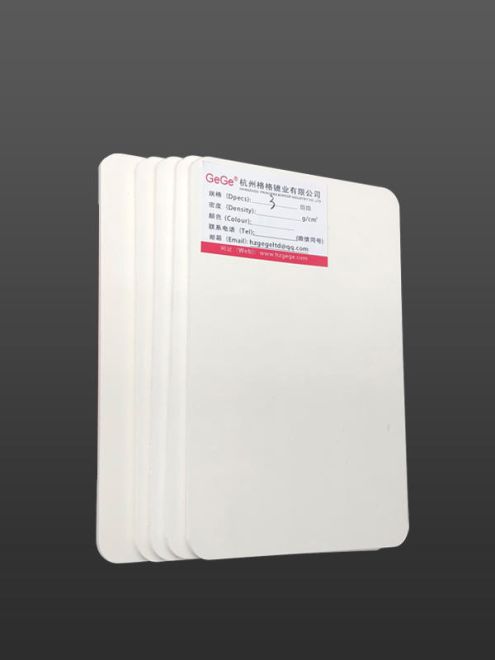
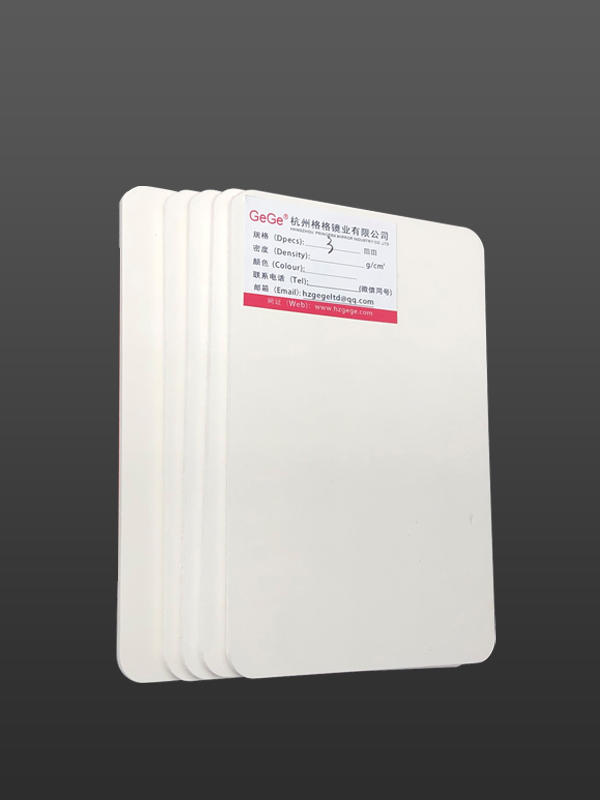
Introduction to pvc integral foam board
Polyvinyl Chloride (PVC) integral foam board is a versatile material widely used across various industries due to its impressive combination of properties. It is manufactured by combining PVC with polyurea, resulting in a robust, lightweight product suitable for both indoor and outdoor applications. The manufacturing process typically involves a series of steps including mixing, molding, and curing, resulting in sheets that vary in size and thickness based on customer requirements. As a product often manufactured in factories in China, it benefits from efficient production and cost-effective wholesale options.
Thermal Properties of PVC Foam Board
PVC integral foam board is known for its unique thermal properties, making it suitable for use in a variety of environmental conditions. The material has thermoplastic properties, softening at temperatures around 65°C (149°F). At these temperatures, PVC foam board can be shaped or molded, making it adaptable for various applications. The thermal performance of the material is largely attributed to its closed-cell structure, providing excellent thermal insulation properties that are highly valued in industrial and construction applications.
Performance at High Temperatures
Material Behavior Under Heat
When exposed to high temperatures, PVC integral foam board begins to soften as it approaches its glass transition temperature, which is approximately 83.2°C. This characteristic allows for reshaping and forming under controlled heat applications. However, it is crucial to note that prolonged exposure to temperatures above this threshold could lead to structural degradation, affecting its rigidity and mechanical durability.
Impact on Mechanical Properties
The mechanical strength of PVC foam board decreases with increasing temperatures due to the softening of the material. This reduction in strength must be considered when using PVC foam board in environments where high temperatures are anticipated. Engineers and manufacturers often take these factors into account when designing products that require both thermal endurance and structural integrity.
Material Structure and Thermal Stability
The closed-cell structure of PVC integral foam board contributes significantly to its thermal stability. This structure minimizes the permeability of heat through the material, maintaining its thermal insulating properties even when subjected to elevated temperatures. The molecular arrangement of the PVC and polyurea components provides a stable network that resists thermal deformation up to a certain extent, making it suitable for use in high temperature applications with careful consideration.
Advantages of PVC Foam Board in High Heat
- Lightweight yet strong, making it easy to handle and install.
- High moisture resistance, preventing degradation in humid environments.
- Versatile and easy to cut, shape, and mold at elevated temperatures, providing flexibility in manufacturing and design.
- Excellent thermal insulation properties, essential for energy efficiency in construction applications.
Limitations and Risks with Heat Exposure
While PVC foam board offers numerous advantages under high temperatures, there are inherent limitations and risks. The release of noxious fumes such as hydrochloric acid and potentially dioxins during heat processing poses environmental and health concerns. These fumes are a significant respiratory hazard in workshop settings and can cause harm to both operators and equipment. Therefore, specialized ventilation and safety measures are imperative during high-temperature processing.
Comparisons with Other Foam Boards
Foamcore at High Temperatures
Compared to foamcore boards, which consist of a polystyrene core laminated with paper, PVC foam boards are more resilient to heat and environmental stress. Foamcore is primarily suited for indoor use due to its susceptibility to moisture and heat, whereas PVC foam board can withstand harsher conditions without significant degradation. The thermal stability of PVC foam boards makes them a preferred choice in applications where temperature fluctuations and environmental exposure are key considerations.
Industrial Applications in High Temperature Environments
PVC integral foam boards are employed across various industrial sectors requiring materials that can endure high temperatures while providing sufficient mechanical strength and thermal insulation. Common applications include signage, industrial modeling, and construction components such as insulation panels and decorative features. The ability to wholesale production means that manufacturers can efficiently supply large quantities of PVC foam boards to meet industrial demands, particularly from Chinese factories known for their large-scale production capabilities.
Safety Measures for Heat Processing
To ensure the safe processing of PVC integral foam boards under heat, appropriate safety measures are crucial. This includes the use of specialized equipment with proper ventilation systems to mitigate the risks associated with the release of hazardous fumes. Personal protective equipment (PPE) such as masks, gloves, and eye protection are essential for workers handling PVC materials during heat-based processing. Following these protocols ensures a safe working environment and maintains the integrity of the production process.
Conclusion: Balancing Benefits and Drawbacks
In conclusion, PVC integral foam board offers a range of benefits when used in high-temperature environments, including excellent thermal insulation, ease of fabrication, and versatility in design. However, it is vital to be aware of the limitations and risks, such as structural degradation at excessive temperatures and the emission of toxic fumes during processing. By balancing these factors, industries can effectively utilize PVC foam board in various applications while ensuring safety and performance standards are met.
GeGe Provide Solutions
GeGe offers comprehensive solutions to harness the benefits of PVC integral foam board, ensuring its effective use in high temperature environments. With a focus on safety, quality, and performance, our team provides expert guidance on material selection, application, and processing techniques. Our wholesale division, based in China, guarantees a steady supply of high-quality PVC foam boards, delivered efficiently and cost-effectively to meet your project needs. Trust GeGe to help optimize the use of PVC foam boards, maximizing their potential in your industry.