 LANGUAGE


Introduction to polyvinyl chloride foam board
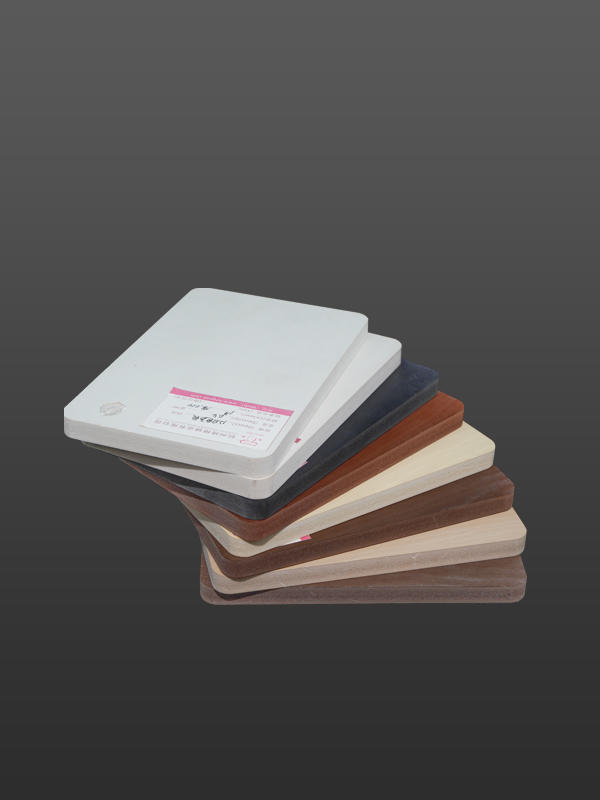
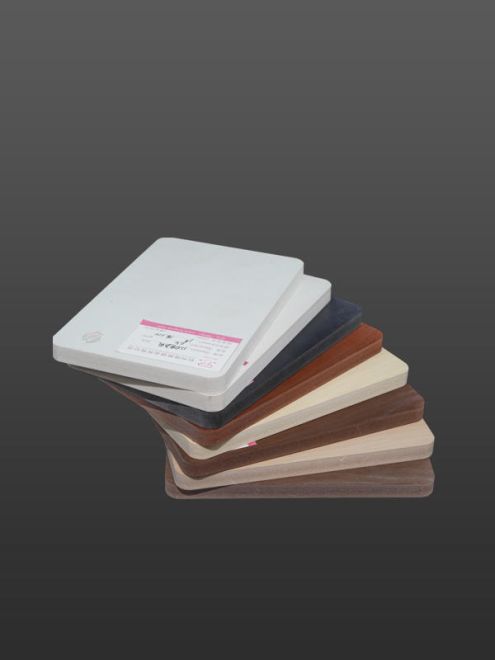
Polyvinyl chloride (PVC) foam boards, known for their lightweight and versatile nature, are widely used across multiple industries. They serve as a popular choice in construction, advertising, and even furniture manufacturing. The process of creating these boards is both intricate and methodical, involving precise chemical reactions and engineering techniques. Understanding this process offers insights into why PVC foam boards are highly regarded for their strength, durability, and environmental benefits.
Raw Materials and Chemical Composition
The production of PVC foam boards commences with the careful selection and preparation of raw materials. Central to this process is polyvinyl chloride resin, which forms the base of these boards. Added to this are various stabilizers, plasticizers, and foaming agents that enhance the properties of the final product. These materials are essential in crafting a board that is both durable and lightweight.
Essential Ingredients
- PVC Resin: Provides structural integrity and forms the primary component of the board.
- Stabilizers: Used to improve thermal stability and prevent degradation during processing.
- Foaming Agents: Responsible for creating the cellular structure within the board, reducing weight without compromising strength.
Initial Mixing and Preparation Phase
The initial stage of PVC foam board manufacturing involves the thorough mixing of raw materials. This phase is critical in ensuring that the materials are homogeneously blended, which impacts the quality and consistency of the final product.
Hot and Cold Mixing Techniques
- Hot Mixing: Raw materials are combined in a heated vessel, facilitating the uniform distribution of additives and foaming agents.
- Cold Mixing: Following hot mixing, the mixture is cooled rapidly to stabilize the material blend and prevent premature foaming.
Extrusion Process in Manufacturing
The extrusion process is a pivotal step in transforming the mixed raw materials into usable PVC foam boards. This method employs heat and pressure to mold the materials into a continuous sheet of desired thickness and texture.
Mechanics of Extrusion
- The blended material is fed into an extruder machine where it is heated to a specific temperature range, typically between 170°C and 210°C.
- The material is then forced through a die, shaping it into a continuous sheet.
- The thickness and width of the emerging sheet are controlled by adjusting the extruder settings.
Shaping and Cutting Techniques
Post-extrusion, the sheets are crafted into specific dimensions based on intended applications. The precision in cutting and shaping is critical for ensuring that the boards meet industry standards.
Precision Cutting
- Advanced machinery ensures that each board is cut to exact specifications, minimizing waste.
- Secondary processes, such as routing or sawing, may be employed to achieve complex shapes or sizes.
Cooling and Solidification Processes
After extrusion, the PVC sheets undergo a cooling process to solidify the structure and lock in the desired physical properties.
Cooling Methods
- Roller Cooling: The sheets pass over a series of cooling rollers that help to gradually bring down the temperature.
- Water Bath Cooling: Immersing the sheets in a water bath rapidly cools them, setting the structure.
Surface Treatment and Enhancements
Surface treatments enhance the durability and visual appeal of PVC foam boards. These processes are vital for applications requiring specific aesthetic or functional attributes.
UV Coating and Texturing
- UV-Resistant Coating: Applied to protect the surface from sunlight degradation, critical for outdoor uses.
- Texturing: Embossing or other techniques create a tactile surface, improving grip and appearance.
Quality Control Measures
Maintaining high standards is imperative in PVC foam board manufacturing. Rigorous quality control measures ensure that every batch meets the industry criteria for safety and functionality.
Inspection Protocols
- Each board undergoes multiple inspections to detect defects or inconsistencies.
- Physical tests for strength, flexibility, and water resistance are conducted.
- China-based factories often adhere to international quality benchmarks, ensuring global competitiveness.
Types of PVC Foam Board Production Methods
Various methods are used in the production of PVC foam boards, each offering distinct advantages based on the desired application.
Free-Foaming vs Celuka Process
- Free-Foaming Method: Allows the PVC melt to expand freely, resulting in a uniform distribution of cells.
- Celuka Process: Employs a mandrel to form a shell while foaming occurs internally, offering a solid outer finish.
Applications and Environmental Impact
PVC foam boards are favored in numerous sectors for their versatility and eco-friendly benefits. Understanding their applications highlights the significance of sustainable manufacturing practices.
Wide Range of Applications
- Construction: Used for insulation, soundproofing, and structural reinforcements.
- Advertising: Ideal for signage due to ease of printing and durability.
- Furniture Manufacturing: Lightweight nature makes it perfect for crafting modern, modular furniture.
Environmental Considerations
- Manufacturers in China are leading the way in recycling practices, making PVC foam boards a sustainable option.
- Production processes are continually refined to reduce carbon footprints and energy usage.
GeGe Provide Solutions
GeGe offers innovative solutions in the PVC foam board industry, focusing on quality, efficiency, and environmental sustainability. By incorporating state-of-the-art technology and maintaining stringent quality checks, GeGe ensures that each product meets global standards. With a commitment to eco-friendly practices, GeGe aligns with the growing demand for sustainable materials. Collaborating with a GeGe-certified manufacturer guarantees access to high-quality PVC foam boards, ideal for diverse applications while supporting environmental stewardship and resource efficiency.