
 LANGUAGE


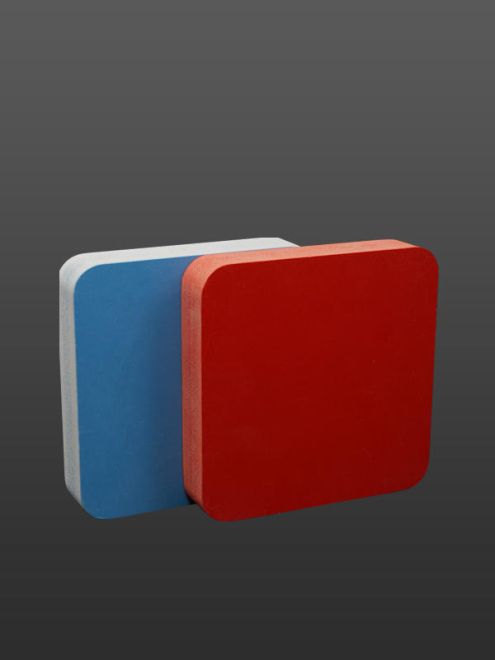
Staring at rows of foam PVC boards, you’re wondering if you’re buying smart materials or very expensive plastic placemats—thickness, density, gloss why does choosing a simple board feel like taking a surprise pop quiz in chemistry?
This guide turns that panic into a clear checklist: match thickness to strength, density to durability, and surface finish to your project’s look, backed by data from this EPA foam materials report.
📌 Understanding foam PVC board types and basic material properties
Foam PVC board is a light, strong, and weather‑resistant sheet used for signs, cabinets, displays, and building projects. Choosing the right type improves strength and life.
Most boards share a PVC core, but density, surface hardness, and flexibility differ. Learn these basics so your board cuts, bonds, and performs the way you expect.
1. Solid vs. foam PVC core
Foam PVC has tiny air cells, which cut weight while keeping strength. Solid PVC is heavier and stiffer, but more costly and harder to cut for large projects.
- Foam core: lighter, easier to handle
- Solid core: higher impact resistance
- Choose based on load and handling needs
2. Common density ranges and uses
Density affects weight, screw holding, and surface strength. Low density suits temporary signs, while high density suits built‑ins and long‑term structures.
| Density | Main Use |
|---|---|
| Low | Indoor signs, displays |
| Medium | Shop fittings, light panels |
| High | Furniture, cabinets, cladding |
3. Mechanical properties you should know
Key properties include flexural strength, impact resistance, and screw pull‑out. For shelves or doors, pick higher strength and higher density material.
- Higher strength boards bend less
- Better impact resistance for busy areas
- Good screw holding for hinges and brackets
4. Processing: cutting, bonding, and forming
Foam PVC cuts with standard woodworking tools and bonds with PVC glue. You can route edges, heat‑form gentle curves, and print directly on the surface.
- Use fine‑tooth blades for clean cuts
- Test glue and inks on off‑cuts
- Avoid overheating to prevent warping
📌 Matching foam PVC thickness and density to your project needs
Thickness and density work together. Thicker, denser boards carry more load and resist damage; thinner, lighter sheets suit signs and cladding.
Plan your size, span, and fixing method before choosing. This reduces waste, improves safety, and avoids bending, cracking, or screw failure.
1. Typical thickness choices for signs and displays
For indoor signs, 3–5 mm works well; for outdoor or large panels, move to 8–10 mm for better stiffness and wind resistance.
| Application | Recommended Thickness |
|---|---|
| Small indoor sign | 3–5 mm |
| Shop fascia | 8–10 mm |
| Exhibition panel | 5–8 mm |
2. Structural panels, cabinets, and furniture
Where boards hold weight, choose thicker, dense panels. The 15mm White High-Density PVC Foam Board – Thick Panel for Cabinets & Furniture offers strong support and clean screw holding.
- Use 12–20 mm for shelves and doors
- Increase thickness for wider spans
- Support long runs with frames
3. Data‑driven comparison of thickness vs. load
The chart below shows how thicker boards can carry more load over the same span, helping you choose a safer, longer‑lasting option.
4. When to move up to extra‑thick boards
For heavy use or large outdoor panels, extra‑thick boards reduce flex and improve safety. The 28mm White Solid PVC Foam Board – Digital‑Print Ready & Waterproof Building Panel suits structural cladding and robust displays.
- Use 20–30 mm for high impact areas
- Ideal for large free‑standing signs
- Combine with strong frames and fixings
📌 Assessing surface finish, color options, and printing compatibility
Surface finish and color affect how your project looks and prints. Smooth, bright white sheets give sharp images and clean, modern lines.
For branding and retail work, check ink adhesion, color stability, and gloss level so the final result matches your design needs.
1. Smooth vs. textured surfaces
Smoother surfaces give better print quality and are easier to clean, while light textures hide small scratches in high‑traffic areas.
- Smooth: ideal for digital and screen printing
- Light texture: good for wall cladding
- Match gloss to nearby materials
2. White balance and color consistency
A neutral, bright white core keeps colors true. The PVC Foam Board – Lightweight, Waterproof & Durable White Panel supports vivid, even color for both indoor and outdoor branding.
| Feature | Benefit |
|---|---|
| Stable white tone | Consistent print batches |
| UV‑resistant pigments | Slower yellowing outdoors |
3. Printing and lamination options
Most foam PVC boards accept UV, latex, and eco‑solvent inks. Always test ink adhesion and drying before full runs or on‑site installation.
- Check printer settings for PVC media
- Use lamination for extra scratch resistance
- Allow full curing time before handling
📌 Considering durability, weather resistance, and safety for indoor or outdoor use
Outdoor projects need UV resistance, water stability, and wind strength. Indoor use focuses more on impact resistance, fire rating, and low maintenance.
Ask for performance data and compliance certificates so your board meets local building, fire, and safety rules.
1. Indoor vs. outdoor weather performance
Foam PVC resists rain and humidity, but UV protection and thickness decide how long it stays flat and bright under sun and changing temperatures.
- Look for UV‑stabilized formulas
- Use thicker boards for exposed signs
- Check maximum service temperature
2. Fire behavior and safety ratings
In malls, schools, and public halls, fire rating is critical. Confirm certificates (such as self‑extinguishing grades) before you order material.
| Safety Factor | What to Check |
|---|---|
| Fire rating | Local code compliance |
| Smoke release | Test reports |
3. Impact and wear resistance
High‑traffic zones need boards that resist dents and scratches. Choose higher density surfaces and protect corners with trims or frames.
- Use corner guards in corridors
- Apply films for extra scratch resistance
- Inspect annually for damage
📌 Choosing reliable quality: why GeGe foam PVC boards are a smart choice
GeGe foam PVC boards combine stable quality, clean surfaces, and strict tolerance control, which support precise cutting, reliable printing, and long‑term performance.
With a wide range of densities and thicknesses, you can match the exact board to your sign, furniture, or construction project.
1. Consistent density and thickness control
Stable density and tight thickness tolerance reduce warping and uneven edges. You get smoother joints, better panel alignment, and fewer on‑site adjustments.
- Improved cutting accuracy
- Clean butt joints and seams
- Less installation time and waste
2. Surfaces engineered for print and bonding
GeGe boards offer low‑defect, finely controlled surfaces that accept ink, films, and adhesives reliably, which lowers rework and color shift risks.
| Feature | Advantage |
|---|---|
| Smooth face | Sharp text and images |
| Balanced core | Reduced warping over time |
3. Technical support and application guidance
Access to clear data sheets and support helps you pick the best board for your span, load, and print needs, improving both quality and safety.
- Help with thickness selection
- Guidance on fixings and frames
- Advice on printing and finishing
Conclusion
To choose the right foam PVC board, match thickness, density, and finish to your real project demands. Think about span, load, and how people will use the space.
When you combine good design with reliable, well‑tested boards like those from GeGe, your signs, furniture, and cladding stay strong, bright, and safe for years.
Frequently Asked Questions about foam pvc board
1. Is foam PVC board waterproof?
Yes. Foam PVC does not absorb water like wood and will not swell or rot. This makes it suitable for bathrooms, kitchens, and outdoor signs when well fixed.
2. Can I paint or print directly on foam PVC?
Yes. Most paints and inks bond well to clean PVC surfaces. Use primers if needed, test a small area first, and allow full drying or curing time.
3. How do I cut foam PVC board cleanly?
Use a fine‑tooth saw, CNC router, or sharp knife for thin sheets. Support the board, cut slowly, and sand edges lightly for a smooth finish.
4. Is foam PVC safe for indoor furniture?
When you choose boards with suitable fire ratings and low emissions, foam PVC can be safe and practical for cabinets, shelving, and display units.
5. How long does foam PVC last outdoors?
Service life depends on UV exposure, thickness, and color. With UV‑stabilized, quality boards and proper fixing, outdoor signs often last many years with minimal fading.