
 LANGUAGE


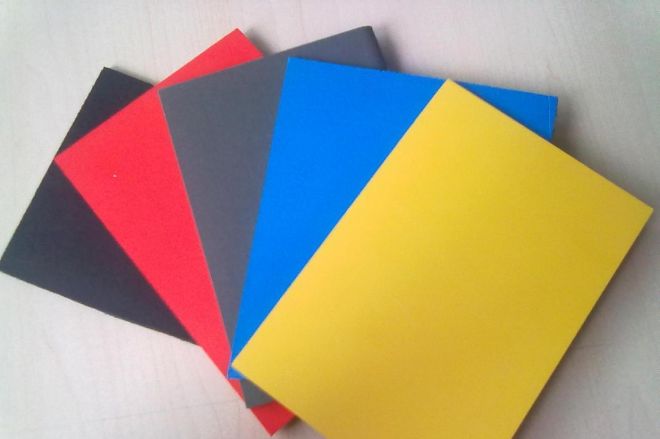
PVC foam board, also known as Chevron board or Andy board, is a lightweight sheet made primarily from polyvinyl chloride (PVC) through a foaming process. Due to its characteristics such as being lightweight, waterproof, moisture-proof, and corrosion-resistant, it is widely used in various fields.
Main Features
Lightweight: Low density, making it easy to transport and install.
Waterproof and Moisture-proof: Does not absorb water, suitable for humid environments.
Corrosion-resistant: Resistant to acids, alkalis, and chemical corrosion, ideal for chemical environments.
Thermal and Sound Insulation: The foam structure provides excellent thermal and sound insulation.
Easy to Process: Can be sawed, nailed, planed, and glued, making it easy to work with.
Eco-friendly: Recyclable, meeting environmental requirements.
Common Types
Free Foam Board: Smooth surface with uniform density, suitable for advertising and decoration.
Skin Foam Board: Hard surface with a foamed interior, high strength, suitable for construction and furniture.
Co-extruded Foam Board: Surface coated with special materials to enhance wear resistance and weather resistance, suitable for outdoor use.
Application Fields
Advertising Industry: Used for billboards, display stands, etc.
Construction Industry: Used for partition walls, ceilings, floors, etc.
Furniture Industry: Used for cabinets, wardrobes, etc.
Transportation: Used for interior decoration of trains, cars, and ships.
Chemical Industry: Used for corrosion-resistant equipment and containers.
Production Process
Raw Material Mixing: Mixing PVC resin, foaming agents, stabilizers, etc.
Extrusion Molding: Heating and extruding through an extruder.
Foaming: Foaming in molds.
Cooling and Shaping: Cooling and shaping after foaming.
Cutting and Packaging: Cutting and packaging according to requirements.
Summary
PVC foam board, with its advantages of being lightweight, waterproof, and corrosion-resistant, is widely used in various fields such as advertising, construction, and furniture. It is easy to process and environmentally friendly, making it a versatile material.