 LANGUAGE


Understanding flat pvc sheets and Their Uses
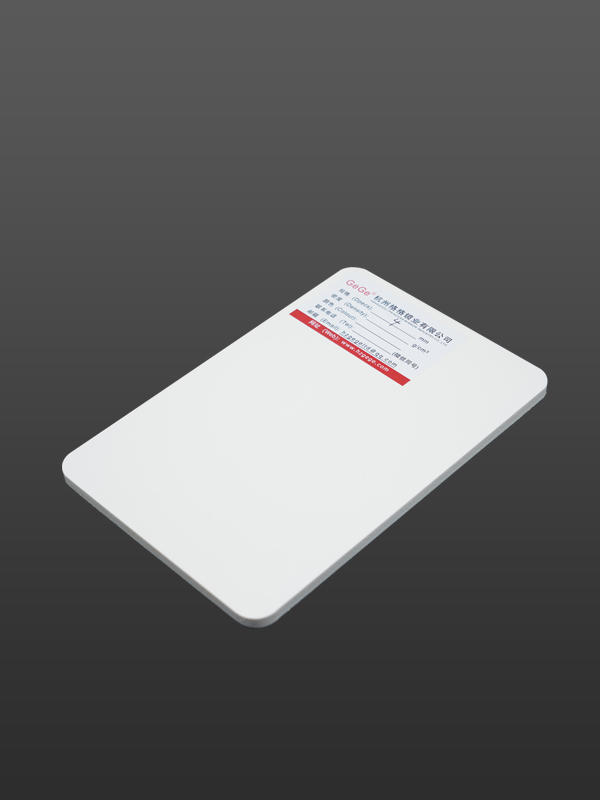
Flat PVC sheets are a versatile form of polyvinyl chloride that is widely used in various industries due to their chemical resistance and durability. These sheets, typically available in thicknesses ranging from 0.5 mm to 20 mm, are well-suited for construction, advertising, and industrial applications. They are characterized by their high density and rigidity, making them ideal for applications requiring strong and durable materials.
Applications of Flat PVC Sheets
Flat PVC sheets are used in construction for wall cladding, roofing, and flooring due to their excellent weather resistance and mechanical strength. In the advertising industry, they are employed for creating signage, display panels, and billboards because of their smooth surface, which allows for easy printing and laminating.
Defining PVC Foam Boards in Detail
PVC foam boards, also known as foamed PVC, differ from flat PVC sheets primarily in terms of density and structure. These boards are manufactured by adding a foaming agent during the extrusion process, which results in a lighter, more flexible material with thicknesses generally available from 1 mm to 19 mm. PVC foam boards are known for their insulation properties and ease of handling.
Types of PVC Foam Boards
- Free Foam Board: Fully foamed with no outer skin; offers low density and an economical option.
- Celuka Foam Board: Features a hard outer skin, providing a smoother and more durable surface.
- Album Core Board: Optimized for use as an inner core in high-end photo albums, combining lightweight with rigidity.
Comparative Analysis: Density and Weight
One of the main distinctions between flat PVC sheets and PVC foam boards lies in their density. Flat PVC sheets have a density of approximately 1.35 g/cm3, whereas PVC foam boards have a significantly lower density, ranging between 0.5 g/cm3 and 0.7 g/cm3. This reduced density makes foam boards much lighter and easier to transport and install, making them a preferred choice for applications where weight is a concern, such as exhibition stands and model making.
Strength and Rigidity: PVC Foam vs Solid PVC
Flat PVC sheets are renowned for their high strength and rigidity. They can withstand substantial loads and are less prone to deformation under stress, making them suitable for structural applications. PVC foam boards, while having a good degree of structural integrity, trade some of this rigidity for flexibility, which can be advantageous in certain applications like indoor and outdoor signage that doesn't bear heavy loads.
Mechanical Properties
The tensile strength of flat PVC sheets typically ranges from 50 to 60 MPa, while PVC foam boards have lower tensile strength, around 15 to 25 MPa. This difference means that solid PVC is better suited for demanding mechanical applications, whereas foam boards are more appropriate for decorative and lightweight needs.
Surface Finish and Aesthetic Considerations
The surface finish of these two materials also differs significantly. Flat PVC sheets have a smooth, glossy finish that enhances their aesthetic appeal, making them suitable for applications requiring a pristine appearance. PVC foam boards often have a textured or semi-matte surface, providing a more rustic or industrial look. This can be a consideration in selecting materials for specific visual applications.
Economic Factors: Cost Implications
The cost is another critical factor when choosing between these two materials. PVC foam boards are generally more expensive than flat PVC sheets due to the additional manufacturing processes required to create the foam core. However, the enhanced properties of foam boards, such as reduced weight and insulation capabilities, often justify their higher price. Manufacturers and suppliers in China offer a range of options, allowing purchasers to choose based on budget and application needs.
Thermal Insulation Properties of PVC Foam
PVC foam boards provide superior thermal insulation compared to their solid counterparts due to the air trapped within the foam structure. This feature makes them particularly valuable in environments where temperature regulation is crucial. For example, foam boards are often used in refrigerated transport or insulated construction panels to maintain consistent temperatures.
Insulation Performance
The thermal conductivity of PVC foam boards can be as low as 0.07 W/m·K, whereas flat PVC sheets have a higher conductivity, usually around 0.19 W/m·K. The better insulation capability of foam boards contributes to energy efficiency in buildings and other structures.
Versatility in Applications: A Comparative Review
Both flat PVC sheets and PVC foam boards are used across diverse applications, but each material's properties make it more or less suitable for specific uses. Flat PVC sheets, with their durability and mechanical strength, are ideal for demanding environments in construction and heavy-duty signage. In contrast, PVC foam boards offer benefits like lighter weight and insulation, making them perfect for advertising, lightweight furniture, and thermoforming applications.
Environmental Impact and Sustainability
When considering sustainability, both flat PVC sheets and PVC foam boards are recyclable, and the recycling processes are well-established in manufacturing hubs like China. The production of these materials involves the use of fewer raw materials compared to metals or other plastics, which can contribute to reduced environmental footprints. Companies integrating green manufacturing practices further enhance the sustainability of these products.
Selecting the Right Material for Your Project
Choosing between flat PVC sheets and PVC foam boards depends on specific project requirements, such as load-bearing capacity, aesthetic needs, and budget constraints. Manufacturers and suppliers in China offer a variety of options to meet diverse needs, from high-strength solid PVC sheets for structural applications to lightweight foam boards for creative and decorative purposes.
GeGe Provide Solutions
GeGe offers a comprehensive range of PVC solutions tailored to your specific requirements. Whether you need durable flat PVC sheets for heavy-duty structural purposes or lightweight PVC foam boards for creative applications, GeGe ensures quality and cost-efficiency. Our team of experts is available to guide you in selecting the most suitable materials and provide dedicated support throughout the ordering and delivery process, leveraging our position as a leading manufacturer and supplier in the industry.