
 LANGUAGE


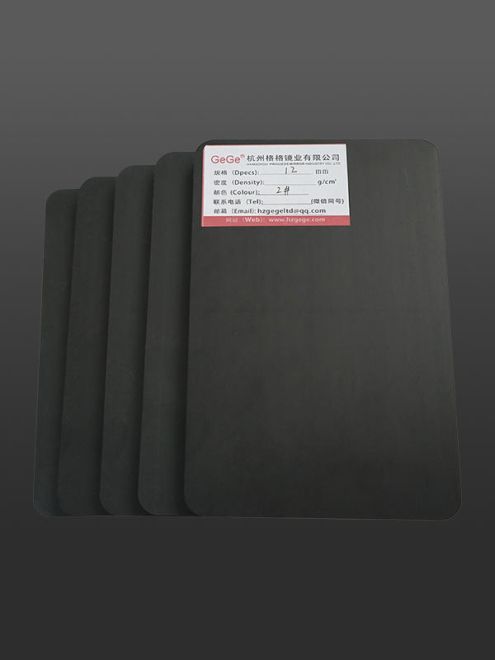
Worried Sintra PVC foam board prices will flip your 2026 budget like a bad magic trick? You’re not alone—predicting market swings can feel like trying to measure sheet thickness with a spaghetti noodle.
Beat the chaos by tracking demand, resin costs, and trade shifts with solid data. Start with this industry outlook from Grand View Research: PVC Market Report, then align your purchasing and inventory plans well before 2026.
📊 Global demand drivers for Sintra PVC foam board through 2026
Global demand for Sintra PVC foam board will keep rising to 2026 as brands seek low‑cost, durable panels for displays, cabinets, and light construction systems.
Retail upgrades, digital printing, and lightweight furniture designs also support steady volume growth, especially in fast‑developing Asian, Middle Eastern, and Latin American markets.
1. Retail signage and branding upgrades
Retailers replace paper and wood with Sintra boards because they print well, resist moisture, and cut easily for custom displays and light box panels.
- Fast shop roll‑outs favor easy‑to‑fabricate sheets
- Consistent surface supports high‑quality UV printing
- Lower weight cuts freight and install time
2. Furniture, cabinets, and interior panels
Cabinet makers and OEM furniture brands use foam boards to reduce cost and avoid warping in kitchens and bathrooms with high humidity.
- Replaces some MDF and plywood in carcasses
- Preferred for water‑exposed zones and RVs
- Decorative skins add wood‑like finishes
3. Construction, partitions, and DIY projects
Small contractors and DIY users like Sintra sheets for easy cutting on site, clean edges, and good screw holding for light structures.
| Use case | Main benefit |
|---|---|
| Interior partitions | Lightweight and quick to install |
| Utility rooms | Moisture and mold resistance |
| Temporary booths | Reusable and easy to store |
4. Digital printing, exhibitions, and events
Print houses and event contractors specify Sintra boards for stable, flat, bright panels that hold color well under indoor and short‑term outdoor conditions.
- Compatible with UV, latex, and eco‑solvent ink
- Ideal for trade show walls and hanging signs
- Easily routed into letters and logos
🏭 Production capacity, raw material constraints, and their impact on pricing
By 2026, installed capacity will rise, but PVC resin and additives may tighten, creating regional price gaps and short‑term volatility for Sintra foam boards.
Producers that secure stable feedstock and energy contracts should offer more predictable pricing and reliable supply to converters and distributors.
1. PVC resin supply and chlorine chain risks
Ethylene, chlorine, and power prices strongly affect PVC resin cost, which remains the main driver for finished Sintra board pricing worldwide.
- Unplanned plant outages can lift prices quickly
- Logistics issues raise delivered resin costs
- Producers hedge with long‑term contracts
2. Additives, foaming agents, and quality stability
Stabilizers, titanium dioxide, and foaming agents impact whiteness, density, and rigidity; cost swings can force small price adjustments each quarter.
| Component | Role | Price sensitivity |
|---|---|---|
| PVC resin | Base polymer | Very high |
| TiO₂ | Color/opacity | High |
| Stabilizers | Heat stability | Medium |
3. Regional capacity additions and utilization
New extrusion lines in Asia and the Middle East improve local availability and reduce import dependence, but high utilization can still support firm prices.
- Utilization above 85% tends to keep margins solid
- Export‑oriented plants influence global benchmarks
- Flexible lines switch between thicknesses by demand
4. Illustrative production and cost index through 2026
Manufacturers track capacity, output, and cost indices to plan pricing windows; buyers can use similar trend indicators during contract talks.
💰 Forecasted price trends by region and key influencing factors
By 2026, Sintra PVC foam board pricing should show moderate growth, with regional differences shaped by energy costs, logistics, and currency trends.
Long‑term contracts and stable suppliers may limit sharp spikes, but spot buyers could still face short seasonal premiums.
1. Asia‑Pacific: competitive yet rising floor
Asia keeps the lowest average prices due to strong capacity, though stricter safety and environmental rules will slowly lift the regional pricing floor.
- China and India lead volume growth
- Freight to remote markets affects landed cost
- Local demand absorbs more exportable surplus
2. Europe and Middle East: energy‑linked premiums
European prices stay above global average because of power costs and regulations, while Middle East producers offer more competitive export options.
| Region | 2026 trend | Main factor |
|---|---|---|
| Europe | Stable to slightly up | Energy and CO₂ costs |
| Middle East | Competitive | Feedstock advantage |
3. Americas: freight, construction cycles, and currency
North and South American prices depend on construction activity, import freight, and currency swings that affect the cost of resin and finished boards.
- US and Canada see steady demand from signage
- Latin America more sensitive to currency shifts
- Local producers gain when freight rates surge
🌱 Sustainability, recycling initiatives, and regulatory pressures shaping the 2026 market
Environmental rules push Sintra PVC foam board producers toward cleaner additives, higher recycled content, and better end‑of‑life collection systems by 2026.
Buyers increasingly prefer suppliers that publish life‑cycle data and clear recycling guidance with each product line.
1. Shifts toward low‑VOC and lead‑free formulations
Regulations and brand policies phase out legacy stabilizers, so most Sintra boards now use lead‑free, low‑VOC systems without sacrificing processing performance.
- Improved worker safety in production
- Better acceptance in green building projects
- Helps with future compliance needs
2. Mechanical recycling and take‑back programs
Some producers grind clean offcuts and returns into core layers, lowering virgin PVC usage while keeping surface quality and printability consistent.
| Stream | Recycling method |
|---|---|
| Factory scrap | Internal regrind and reuse |
| Post‑use sheets | Collection and external recyclers |
3. Regulatory pressure on single‑use plastics
Though Sintra boards are long‑life goods, broad plastic rules still affect public perception, pushing suppliers to highlight durability and reusability benefits.
- Marketing shifts from “cheap” to “long‑lasting”
- Designers favor reusable panels for events
- Clear labeling supports correct recycling paths
📐 Application shifts in signage, construction, and displays favoring GeGe Sintra boards
By 2026, application shifts in signage, furniture, and outdoor boxes increasingly favor GeGe Sintra PVC foam boards with specialized surfaces and densities.
Designers look for durable, printable, and water‑resistant options that still install quickly and keep project budgets under control.
1. Kitchen cabinets and interior furniture upgrades
Cabinet makers choose the insect-proof color wooden grain pvc foam board for kitchen cabinet to cut damage from moisture, insects, and everyday wear in high‑use rooms.
- Wood‑grain look with PVC durability
- Stable size under temperature changes
- Cleaner edges after cutting and routing
2. Furniture‑grade carved panels and decor
Designers use the Smooth 4×8 Film‑Carved PVC Foam Sheet – Furniture Grade Decorative Panel for routing patterns, wall cladding, and branded fixtures.
| Feature | Benefit for users |
|---|---|
| Smooth film surface | Sharp printed images |
| Carvable core | Fine decorative details |
3. Outdoor boxes, utility enclosures, and light structures
Outdoor brands select the Waterproof film PVC foam board for outdoors box for protective housings, display boxes, and weather‑resistant signage supports.
- Resists rain and short UV exposure
- Easy forming for custom enclosures
- Lower weight than many solid plastics
Conclusion
Through 2026, Sintra PVC foam board demand will grow steadily across signage, furniture, and light construction, with moderate, region‑specific price increases.
Producers that manage resin costs, invest in cleaner chemistries, and offer application‑ready panels like GeGe’s will be best positioned to win long‑term customers.
Frequently Asked Questions about sintra pvc foam board
1. What is Sintra PVC foam board?
Sintra PVC foam board is a lightweight, rigid sheet made from expanded PVC. It offers a smooth surface, good printability, and resistance to moisture and many chemicals.
2. Where is Sintra PVC foam board most commonly used?
It is widely used in signage, point‑of‑sale displays, exhibition stands, interior wall panels, furniture components, cabinets, and protective boxes or enclosures.
3. Can Sintra PVC foam board be used outdoors?
Yes, many grades perform well outdoors for short to medium terms. For longer use, select UV‑stabilized, waterproof film‑coated products and follow local installation guidance.
4. How is Sintra PVC foam board processed?
Fabricators cut, route, and drill Sintra boards with standard woodworking tools. The sheets can be printed, laminated, glued, and thermoformed under suitable conditions.
5. Is Sintra PVC foam board recyclable?
Clean Sintra offcuts and sheets are generally recyclable as PVC, depending on local systems. Many manufacturers now reclaim factory scrap for use in new boards.