
 LANGUAGE


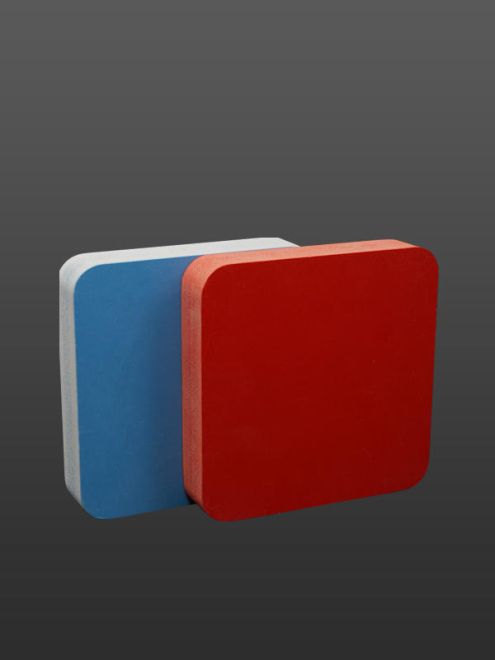
Tired of boards that warp, crack, or crumble faster than your Monday motivation? Your projects deserve better than playing Jenga with flimsy materials and babysitting panels that can’t survive a busy factory floor.
High density PVC foam board solves this chaos with strength, stability, and easy machining, backed by durability data from ASTM material standards.
✅ Definition, Core Properties, and Industrial Advantages of High Density PVC Foam Board
High density PVC foam board is a rigid, lightweight sheet made from polyvinyl chloride. It offers strong mechanical performance, smooth surfaces, and excellent formability for demanding industrial uses.
Compared with wood, metal, and traditional plastics, it resists moisture, chemicals, and impact, while staying easy to cut, route, thermoform, and print for precise fabrication.
1. Core Definition and Material Structure
High density PVC foam board combines a closed-cell foam core with hard outer skins. This structure delivers low weight, stable thickness, and good screw-holding strength for fixtures and panels.
- Material: PVC resin plus additives
- Structure: Closed-cell foam
- Finish: Matte or smooth gloss
- Formats: Sheets, cut-to-size, routed parts
2. Key Physical and Mechanical Properties
Engineers choose high density PVC boards for stiffness, flatness, and low water uptake. These properties help reduce warping, swelling, and early failure in continuous-use applications.
| Property | Typical Performance |
|---|---|
| Density | 0.45–0.80 g/cm³ |
| Flexural strength | High, suitable for load-bearing panels |
| Water absorption | Very low |
| Surface hardness | Good resistance to dents and scratches |
3. Main Industrial Advantages
For many plants, high density PVC foam boards lower lifecycle cost by reducing maintenance, repainting, and replacement. They offer reliable performance in humid, corrosive, or high-traffic spaces.
- Lightweight yet rigid
- Easy machining with standard tools
- Print-friendly surfaces for signage
- Good fire and chemical resistance grades available
4. Comparison with Other PVC Foam Products
Standard PVC Foam Board suits general sign and display, while higher densities serve cabinets, fixtures, and structural cladding where deeper fastening is needed.
| Type | Typical Use |
|---|---|
| Low density | Short-term displays, model-making |
| Medium density | Retail signs, interior panels |
| High density | Cabinetry, construction, machine guards |
⚙️ Manufacturing Processes, Density Grades, and Quality Control Standards
Manufacturers produce high density PVC foam boards by controlled extrusion and foaming, then calibrate, cool, and trim sheets to tight thickness and surface tolerances.
Stable production lines, verified raw materials, and in-line testing ensure consistent density, color, and mechanical strength for long runs and repeat orders.
1. Extrusion and Foaming Process Overview
Producers feed PVC resin and additives into an extruder, where heat and pressure melt and mix. A foaming agent expands the melt into a uniform, closed-cell structure.
- Step 1: Resin compounding
- Step 2: Extrusion and foaming
- Step 3: Calibrating and cooling
- Step 4: Cutting and surface finishing
2. Density Grades for Industrial Use
Different density grades balance weight, cost, and strength. Engineers match density to load, span, fastening method, and environmental conditions in each project.
| Density Grade | Main Benefit | Typical Thickness |
|---|---|---|
| 0.45–0.55 g/cm³ | Very light, easy handling | 3–10 mm |
| 0.55–0.65 g/cm³ | Balanced strength and cost | 5–18 mm |
| 0.65–0.80 g/cm³ | High strength, better screw pull-out | 10–25 mm |
3. Quality Control and Testing Methods
Reliable suppliers run regular tests for density, thickness, color, and impact strength. This data supports repeatable fabrication and reduces scrap during CNC cutting and routing.
4. Surface, Color, and Dimensional Consistency
High-grade lines deliver tight sheet tolerances, stable whiteness, and color uniformity. This is vital for matching replacement parts and large visual surfaces across projects.
- Thickness tolerance control
- Color and gloss checks
- Flatness and warp testing
- Batch traceability records
🏗️ Structural Performance in Construction, Signage, and Industrial Fabrication Projects
High density PVC foam board delivers good stiffness-to-weight, clean edges, and stable dimensions, enabling durable construction, accurate signage, and repeatable fabricated components.
When matched with proper design and fastening, boards maintain alignment and surface quality even under vibration, humidity, and regular cleaning cycles.
1. Use in Interior Construction and Cabinetry
Installers use thick boards for partitions, wall cladding, and cabinets. Products like 22MM White 4x8 pvc foam sheet for kitchen cabinet provide strong, moisture-proof alternatives to wood.
- Resists swelling in wet areas
- Accepts screws and hinges
- Paintable or printable surfaces
2. Performance in Signage and Display Systems
High density sheets keep signs flat, prevent edge crush, and hold print quality. They suit hanging panels, wayfinding boards, and outdoor fascia elements.
| Requirement | Board Benefit |
|---|---|
| Flatness | Reduces print distortion |
| Edge strength | Safer handling, better durability |
| Light weight | Easier ceiling or wall mounting |
3. Industrial Fabrication and Machine Components
Fabricators route, drill, and bond high density PVC to build machine guards, control panels, jigs, and fixtures that resist oils and daily impact.
- Low tool wear vs. metals
- Clean, chip-free edges
- Good bonding with PVC adhesives
🧪 Chemical Resistance, Thermal Stability, and Long-Term Durability in Harsh Environments
High density PVC foam boards resist many acids, alkalis, and salts, allowing reliable use in labs, food plants, and chemical handling areas.
They also offer stable performance within typical service temperatures, with minimal creep and color change when properly specified and installed.
1. Chemical Resistance Profile
The PVC matrix withstands many cleaning agents and industrial chemicals, making these boards ideal for splash zones and easy-wipe hygienic surfaces.
| Chemical Type | Typical Resistance |
|---|---|
| Acids (dilute) | Good |
| Alkalis (dilute) | Good |
| Alcohols | Good |
| Strong solvents | Check grade and exposure time |
2. Thermal Stability and Fire Behavior
Standard boards work well in normal room and light industrial temperatures. Certain grades provide improved fire performance and slower flame spread when required.
- Stable dimensions in typical indoor ranges
- Lower heat conduction than metal
- Optional fire-retardant formulations
3. Weathering and Service Life
For outdoor or semi-outdoor use, UV-stabilized and colored boards resist chalking and fading better, increasing service life and reducing replacement cycles.
- Use Color PVC Foam Board for branding and UV stability
- Seal cut edges where needed
- Follow mounting guidelines for expansion
⭐ Selecting Reliable Suppliers and Why GeGe Meets Industrial PVC Board Requirements
Choosing a trusted polyvinyl chloride foam supplier helps engineers secure consistent performance, accurate lead times, and real technical support for design and production.
GeGe focuses on industrial-grade PVC foam boards with stable quality, flexible customization, and documentation suited for long-term, repeat industrial projects.
1. Key Criteria When Evaluating Suppliers
Look for clear density ranges, full datasheets, in-house testing, and proven export experience. This reduces risk when scaling projects or changing materials.
- Stable raw material sources
- Documented QC procedures
- Samples that match bulk orders
- Responsive technical support
2. How GeGe Supports Industrial Applications
GeGe offers tailored thickness, density, and color options, backed by packing solutions for global shipping and guidance on machining and bonding techniques.
| Service | Benefit |
|---|---|
| Custom sizing | Less on-site cutting and waste |
| Technical advice | Faster design and testing |
| Consistent batches | Smoother mass production |
3. Long-Term Partnership and Cost Efficiency
Working with a stable supplier like GeGe helps standardize materials across plants, cut qualification time, and achieve better lifecycle cost control for PVC-based systems.
- Lock-in of key specifications
- Predictable lead times
- Support for new project trials
Conclusion
High density PVC foam board combines strength, low weight, and chemical resistance, making it a smart choice for construction, signage, and industrial fabrication.
By selecting the right density, finish, and supplier, engineers can improve product performance, reduce maintenance, and keep long-term installation costs under control.
Frequently Asked Questions about polyvinyl chloride foam supplier
1. What should I check before choosing a PVC foam board supplier?
Review density options, test reports, and thickness ranges. Ask for samples, check surface quality, and confirm they can keep the same grade over time.
2. Can suppliers customize size, color, and packaging?
Most professional suppliers offer custom thickness, cut-to-size panels, and color options, plus export-ready packaging for sea or air freight shipments.
3. How do I confirm consistent quality between batches?
Request batch certificates, agree on key tolerances, and do incoming inspections for thickness, density, and color against approved samples.
4. Do PVC foam suppliers provide machining and bonding guidance?
Experienced suppliers usually share tool recommendations, routing speeds, and adhesive suggestions to help fabricators avoid chipping, warp, or bond failure.