 LANGUAGE


Introduction to pvc foam core board
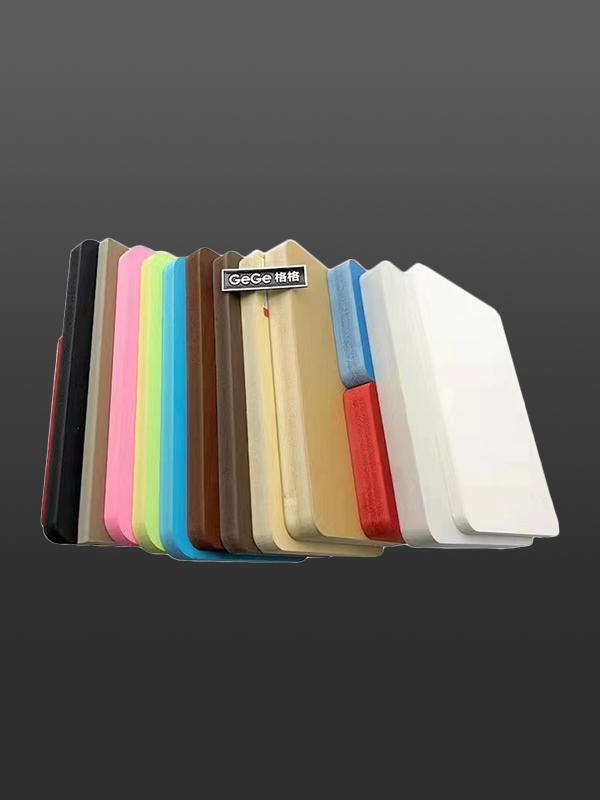
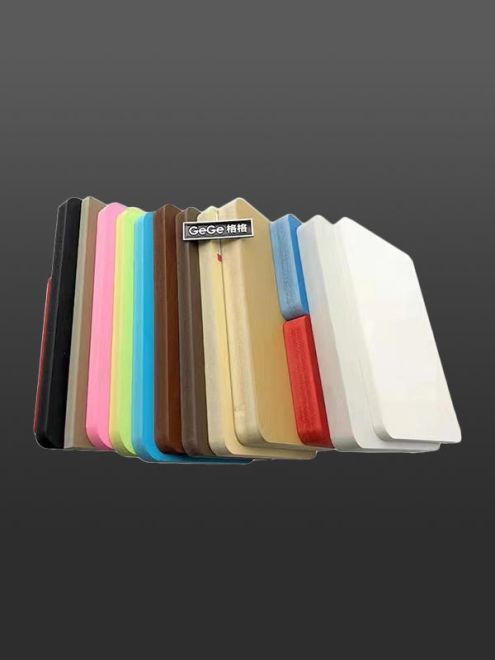
PVC foam core board is a lightweight and versatile plastic material that has revolutionized a variety of industries. Composed of two rigid sheets enclosing an inner foam core, this product is primarily made of polyvinyl chloride (PVC) resin enhanced with foaming agents. This unique combination provides a balance of strength and flexibility that makes it ideal for numerous applications. Its adaptability has made it a popular choice for manufacturers, suppliers, and consumers seeking durable yet lightweight solutions.
Manufacturing Process of PVC Foam Board
● Materials Used in Production
The manufacturing of PVC foam core board begins with the selection of high-quality materials. Polyvinyl chloride (PVC) resin serves as the primary component, and when combined with various foaming agents, it forms the basis of the foam core. Additional additives may be included to enhance specific properties such as UV resistance or fire retardancy.
● Steps in the Manufacturing Process
The production process involves several critical steps. Initially, the PVC resin and foaming agents are thoroughly mixed and heated until they achieve a uniform consistency. This mixture is then extruded into sheets, where it expands and forms the foam core. These sheets are sandwiched between two rigid PVC layers, creating a sturdy yet lightweight board. Finally, the boards are cooled, trimmed, and prepared for distribution.
Properties of PVC Foam Core Board
● Physical Characteristics
PVC foam core boards are celebrated for their physical characteristics, including a high strength-to-weight ratio. The material's structure provides rigidity while maintaining a lightweight profile, making it easy to handle and install.
● Chemical Stability and Resistance
The chemical properties of PVC foam core board contribute to its stability and resistance. It is inherently resistant to moisture, chemicals, and UV radiation, ensuring longevity and durability in various environments. This resistance makes it a preferred choice for outdoor and high-humidity applications.
Advantages of Using PVC Foam Board
● Lightweight and Durable Nature
One of the primary advantages of PVC foam core board is its lightweight nature, which simplifies transportation and installation without compromising on strength or durability. This characteristic reduces labor costs and time, making it a cost-effective solution for many applications.
● Environmental Benefits and Recyclability
PVC foam core boards are not only practical but also environmentally friendly. They can be recycled, and the production process often involves eco-conscious practices. The material's durability also means that it has a longer lifecycle, reducing the need for frequent replacements.
Applications in Different Industries
● Use in Construction and Design
In the construction and design sectors, PVC foam core board is used extensively. Its lightweight and robust nature makes it ideal for wall cladding, false ceilings, and partitions. Architects and designers value the material for its versatility and ease of customization.
● Signage and Advertising Applications
The advertising industry also benefits from PVC foam core boards. These boards serve as a reliable medium for printing and sign-making, providing a stable surface that supports high-resolution graphics. Their weather resistance ensures that outdoor signage remains vibrant and intact.
Comparing PVC Foam Board with Alternatives
● Differences from Wood and Metal
When compared to traditional materials like wood and metal, PVC foam core boards offer distinct advantages. Unlike wood, PVC does not warp or absorb moisture, and it offers greater flexibility than metal, making it an attractive alternative for many applications.
● Cost-Effectiveness and Performance
PVC foam boards are not only cheaper than many traditional materials but also outperform them in various scenarios. Their low maintenance requirements and long-lasting performance make them a smart investment for businesses and consumers alike.
Customization and Versatility Features
● Options for Cutting, Shaping, and Printing
PVC foam core boards offer remarkable customization capabilities. They can be easily cut, shaped, and printed upon, allowing for a wide range of creative applications. This adaptability is particularly valued in industries like interior design and advertising.
● Surface Finishes and Texture Variations
The boards are available in a variety of surface finishes and textures, enabling further customization to meet specific aesthetic or functional requirements. From glossy to matte finishes, the options are vast, ensuring suitability for various projects.
Environmental Impact and Sustainability
● Eco-Friendly Production and Disposal
The production process of PVC foam core board often incorporates recycled materials and sustainable practices. Additionally, the material's recyclability reduces waste and enhances its environmental credentials.
● Long-Term Sustainability Benefits
The longevity and durability of PVC foam core boards contribute to their sustainability. Products made from PVC foam board tend to have extended lifespans, reducing resource consumption and promoting long-term environmental responsibility.
Challenges and Limitations of PVC Foam Board
● Potential Downsides and Limitations
Despite its many advantages, PVC foam core board does have some limitations. It may not be suitable for high-temperature applications, and although it is recyclable, improper disposal can impact environmental health.
● Areas Requiring Improvements
Ongoing research continues to address the limitations of PVC foam core boards. Innovations aim to enhance heat resistance and improve environmental impact through more efficient recycling processes.
Future Trends and Innovations
● Technological Advancements
The future of PVC foam core boards looks promising, with technological advancements continually improving production processes and material properties. Enhanced manufacturing techniques promise even greater versatility and performance.
● Emerging Uses and Market Growth
New applications for PVC foam core boards are emerging as industries recognize their potential. As market demand grows, manufacturers are exploring novel uses, ensuring steady growth for this adaptable material.
Conclusion: A Versatile and Sustainable Choice
PVC foam core board is a remarkable material that offers numerous advantages across various industries. Its blend of strength, versatility, and environmental responsibility makes it a preferred choice for manufacturers, builders, and designers. With continued innovation, PVC foam core board is set to meet the evolving demands of the market, offering sustainable solutions for the future.
At the forefront of PVC foam core board manufacturing is GeGe Mirrors. Founded in 2004, Hangzhou GeGe Mirrors Co., Ltd., located in Zhongli Industrial Park, Zhejiang Province, boasts significant expertise and production capacity. With 10 years of professional production technology in PVC foam board and a commitment to quality, GeGe Mirrors produces 8,000 tons annually. The company integrates PVC foam board into products like bathroom cabinets and mirrors, contributing to its reputation as a versatile and reliable supplier.