
 LANGUAGE


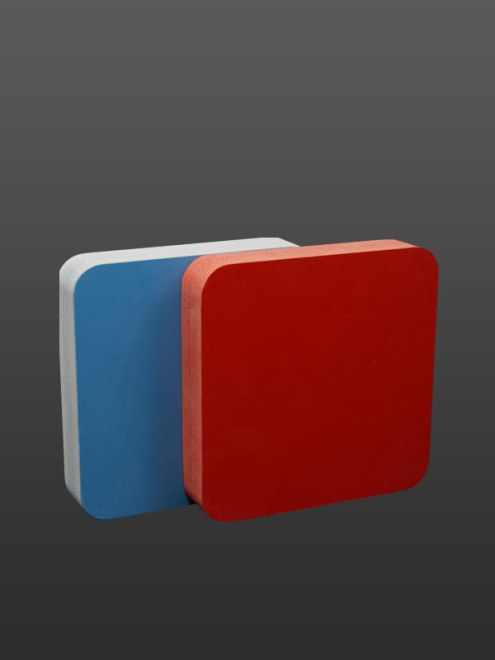
Your new project needs strong, light, cheap panels—but every material you pick either bends like noodles or costs like gold, and the client still wants a “premium feel” on a “startup budget.”
Coextruded foam board fixes this by combining a tough outer layer with a lightweight foam core for strength, insulation, and lower cost, all in one continuous process supported by industry data from PlasticsEurope’s construction report.
🔧 Basic Structure and Layer Composition of Coextruded Foam Board
Coextruded foam board uses several PVC layers fused in one step. A strong outer skin protects a low‑density foam core, giving light weight, stiffness, and smooth surfaces.
This structure lets architects and fabricators cut, route, and bond panels easily while keeping good impact resistance and clean edges for walls, cabinets, and display systems.
1. Outer Protective Skin Layer
The outer skin is dense PVC. It resists scratches, moisture, and chemicals while holding color and gloss. This layer also improves screw holding and print quality.
- High surface hardness for impact resistance
- UV‑stable pigments for outdoor use
- Compatible with laminates, films, and adhesives
2. Foam Core Layer
The foam core reduces weight and improves sound and heat insulation. Uniform, closed cells trap air, which slows heat flow through the board.
| Property | Effect |
|---|---|
| Low density | Easier handling and installation |
| Closed cells | Better water and vapor resistance |
| Elasticity | Good impact absorption |
3. Adhesion Interface Between Layers
During coextrusion, hot melt flow bonds the skin and foam without glue. This produces a stable interface that does not delaminate under heat or load.
- Molecular fusion instead of separate adhesive
- Clean interface improves machining quality
- Long‑term stability under bending stress
4. Surface Finishing and Functional Coatings
Manufacturers can emboss, sand, or coat the surface inline. This creates textures that match wood or stone and adds extra scratch or UV resistance.
- Embossed patterns for slip resistance
- Gloss or matte finishes for design control
- Easy cleaning surfaces for bathroom use
⚙️ How Coextrusion Technology Enhances Board Strength and Dimensional Stability
Coextrusion lets different PVC formulations flow together in one die. Each layer handles a specific task, such as strength, impact resistance, or weathering.
Balanced skin thickness and controlled foam density reduce bending, warping, and creep, even in large panels used for cladding or furniture fronts.
1. Layer Synergy for Bending Strength
Stiff outer skins carry most bending stress, while the foam core keeps distance between skins, increasing moment of inertia and overall panel rigidity.
| Configuration | Relative Bending Strength |
|---|---|
| Single solid PVC | 100% |
| Foam without skin | 60% |
| Coextruded skin + foam | 140% |
2. Control of Warping and Dimensional Change
Coextrusion keeps both skins balanced in thickness and orientation. This reduces internal stress and limits expansion differences between the two faces.
- Matched formulations on both sides
- Low linear expansion rate
- Better flatness in large panels
3. Data View: Density vs. Deflection
The following bar chart example shows how foam density and skin thickness change panel deflection under load, guiding engineers in new project design.
4. Impact Performance and Fastener Holding
The dense skins distribute impact loads and give secure bite for screws and inserts, while the foam core absorbs shock instead of cracking.
- Improved screw pull‑out strength
- Reduced risk of brittle fracture
- Suitable for cabinets, partitions, and signage
🌡️ Thermal Insulation Mechanism in Multilayer Foam Board Applications
Multilayer foam boards slow heat flow using trapped air and continuous PVC skins, improving comfort and energy savings in wall and cabinet systems.
This helps reduce thermal bridges, especially where lightweight framing and cladding meet, such as bathroom walls and service shafts.
1. Role of Closed‑Cell Foam
Closed cells trap still air, which is a poor heat conductor. This lowers overall thermal conductivity without adding much weight.
- Improved R‑value per millimeter
- Less temperature fluctuation indoors
- Stable performance in humid rooms
2. Effect of Outer Skins on Heat Flow
Dense PVC skins form continuous layers that block drafts and water vapor. They also spread surface temperature more evenly across the panel.
| Layer | Main Function |
|---|---|
| Outer skin | Air barrier and surface protection |
| Foam core | Thermal resistance |
| Inner skin | Finish layer and fire modifier |
3. Application in Wet and High‑Humidity Areas
PVC foam boards resist water absorption, so their insulation value stays stable in showers, vanity units, and laundry enclosures.
- Good choice behind mirrors and cabinets
- Less risk of mold growth
- Compatible with sealants and tiles
🌱 Material Selection for Durability, Lightweight Performance, and Environmental Safety
Engineers select PVC blends, foaming agents, and stabilizers to reach the right mix of stiffness, impact strength, and low emissions for each project.
Good formulations support recycling, reduce VOC release, and extend service life, which lowers total environmental load over the building’s life cycle.
1. PVC Resin Type and Additives
Resin K‑value, impact modifiers, and stabilizers define processing window and outdoor life. Lead‑free systems improve health and compliance.
- Use Ca‑Zn or organic stabilizers
- Choose UV packages for façade work
- Balance impact vs. stiffness needs
2. Density Target for Lightweight Design
Foam density strongly affects weight and cost. Designers often optimize panel thickness and density together rather than only increasing thickness.
| Density (g/cm³) | Relative Weight | Typical Use |
|---|---|---|
| 0.40 | Very low | Display, signs |
| 0.55 | Medium | Cabinet carcasses |
| 0.70 | Higher | Structural cladding |
3. Safety, Emissions, and Recycling
Modern PVC foam boards can be made with low VOCs and recycled content. Offcuts often reenter the foam core layer as regrind.
- Check formaldehyde‑free status for indoor use
- Plan cut‑off collection on site
- Use certified suppliers for traceability
🏗️ Design Tips for Integrating Coextruded Foam Board into New Project Systems
Plan board thickness, span, and fixing points early. Match panel properties to wind load, moisture level, and impact risk in each zone of the project.
Correct detailing around joints, edges, and interfaces with other materials prevents water entry and long‑term deformation.
1. Structural Layout and Support Spacing
Use manufacturer span tables for each density and thickness. Keep support spacing tighter in high‑load areas or where people may lean or sit.
- Limit long, unsupported horizontal runs
- Reinforce fixings near hinges and handles
- Use wide washers with through‑bolts if needed
2. Finishing, Bonding, and Compatibility
Select adhesives and sealants tested with PVC. Many water‑based and PU systems bond well, but solvent‑heavy types may attack the surface.
| Method | Recommendation |
|---|---|
| Adhesive bonding | Use PVC‑safe, low‑VOC products |
| Mechanical fixing | Pre‑drill to avoid cracking |
| Surface lamination | Control temperature and pressure |
3. Integration with Bathroom Systems and Furniture
Coextruded foam boards work well behind mirrors and in vanity structures, where moisture and cleaning chemicals are common.
- Pair with the B39 Anti-Fog LED Lighted Smart Mirror with Touch Screen for Bathrooms to create stable, insulated backing walls.
- Use boards as carcass material behind the KP-5809 plywood wall hung PVC bathroom cabinet with sink to resist moisture.
- For façade or interior walls, specify a Factory Building Material PVC Foam Sheet High Quality Panel Wall PVC Celuka Board that matches exterior climate loads.
Conclusion
Coextruded foam board combines dense PVC skins with a light foam core to deliver strength, flatness, and thermal benefits in one panel. Correct layer design and material selection improve life span and safety.
When engineers follow span limits, choose compatible adhesives, and plan moisture control, these boards can upgrade walls, cabinets, and façades in modern projects.
Frequently Asked Questions about coextruded foam board
1. How is coextruded foam board different from standard PVC foam board?
Coextruded foam board has dense outer skins fused to a foam core in one step. This gives higher strength, better surfaces, and improved stability compared with single‑layer foam boards.
2. Can I use coextruded foam board in wet rooms and bathrooms?
Yes, PVC foam does not absorb water like wood. With proper sealing at joints and edges, it works well in bathrooms, laundry areas, and service shafts.
3. How do I cut and machine coextruded foam boards on site?
You can use common woodworking tools such as circular saws, routers, and drills. Use sharp blades, support the panel, and remove dust with extraction.
4. Are coextruded foam boards recyclable?
In many plants, offcuts and production scrap go back into new foam cores. Check with local recyclers and your supplier for accepted formats and take‑back programs.