
 LANGUAGE


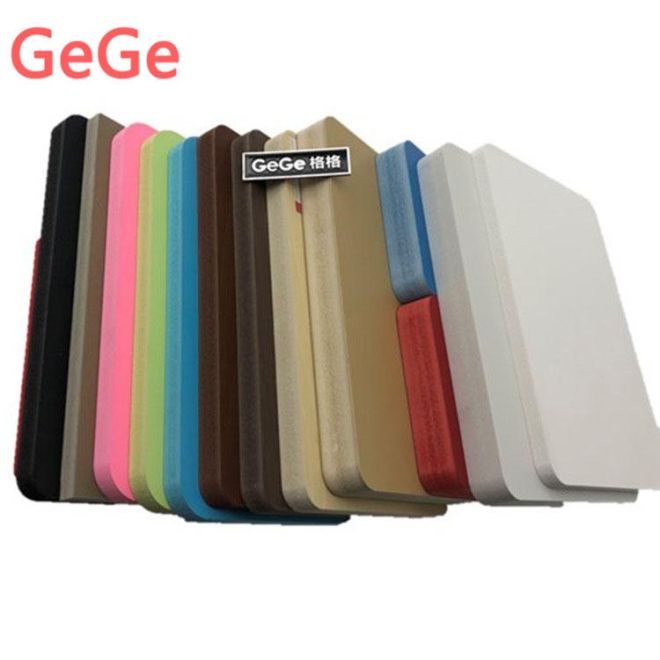
Trying to predict the 2026 coextruded foam panel market feels like reading tea leaves made of polymer—prices wobble, demand shifts, and every “expert” has a different spreadsheet prophecy.
Calm the chaos with data-driven insight: this 2026 Market Outlook for Coextruded Foam Panels, backed by trends similar to those in the Mordor Intelligence Plastic Foams Market Report, turns guesswork into clear planning.
📈 Global construction trends shaping 2026 demand for coextruded foam panels
By 2026, global construction growth, stricter energy codes, and fast-build systems will push demand for lightweight, high‑insulation coextruded foam panels across all major regions.
Developers will favor panels that cut site labor, shorten project cycles, and improve thermal performance, directly supporting green building and renovation programs.
1. Rapid urbanization and housing upgrades
Emerging markets will build more mid‑rise housing, retail, and schools. Coextruded foam panels fit prefabricated walls, facades, and ceilings, helping control costs and energy use.
- Fast installation for dense urban sites
- Good sound and heat insulation
- Better fire and moisture resistance than many legacy boards
2. Renovation and energy‑retrofit boom
Europe, North America, and parts of Asia will focus on renovation instead of new builds. Thin, strong panels allow interior retrofits with minimal floor space loss.
- Over‑cladding of old envelopes
- Interior lining for offices and shops
- Quick upgrades in hospitals and schools
3. Growth of off‑site and modular construction
Modular plants prefer panels that are easy to cut, stable, and repeatable. Products like Color PVC Foam Board provide flexible colors for visible surfaces.
- Standardized panel sizes
- Reduced waste and rework
- Better quality control in factories
4. Demand from logistics, cold chain, and clean spaces
Warehouses, cold rooms, and cleanrooms need tight temperature and hygiene control. Coextruded foam panels support washable surfaces and reliable long‑term insulation.
| Segment | Main Benefit |
|---|---|
| Cold storage | Stable low temperatures |
| Logistics hubs | Fast build, durable walls |
| Cleanrooms | Easy‑clean, low dust surfaces |
🏭 Manufacturing innovations improving thermal performance and structural stability in 2026
In 2026, coextrusion lines will deliver tighter cell structures, stronger skins, and more consistent densities, improving both thermal resistance and long‑term structural stability.
Producers will combine advanced dies, online quality monitoring, and hybrid core recipes to lower weight while keeping panels rigid and dimensionally stable.
1. Multi‑layer coextrusion for tailored properties
New dies allow multiple skins and a tuned core in one pass. Designers can specify hard outer layers and energy‑efficient foam centers for walls, doors, and signage.
- Scratch‑resistant outer skins
- Low‑density core for insulation
- Co‑coloring for branding and wayfinding
2. Improved foam cell control and density gradients
Better blowing‑agent control improves cell size and distribution. Products such as High Density 22mm White Flexible WPC Foam Board For Building Material show how dense cores increase fastener pull‑out strength.
- Reduced thermal bridges
- Less warping and shrinkage
- Higher screw and nail holding power
3. Automated quality monitoring and inline testing
Infrared sensors and machine vision now track thickness, density, and surface defects in real time. This cuts rejects and ensures stable performance across large projects.
| Parameter | Benefit |
|---|---|
| Thickness | Stable fit with other components |
| Density | Predictable strength |
| Surface quality | Less finishing work |
4. Data snapshot: rising thermal performance targets
Regulators and owners demand higher R‑values. The bar chart below compares average panel R‑values in 2022 and 2026 for major regions.
🌱 Sustainability, recyclability, and regulations impacting coextruded foam panel adoption
By 2026, green building rules and carbon reporting will strongly favor recyclable, low‑VOC coextruded foam panels with proven lifecycle data.
Local rules will reward materials that enable thin, high‑R envelopes and reduce operational energy demand in both new builds and retrofits.
1. Stricter energy and carbon codes
More countries will link building permits to energy‑use intensity and embodied carbon, pushing panels that combine strong insulation with lower material footprints.
- Support for net‑zero targets
- Credits in green rating systems
- Preference in public tenders
2. Recycling, take‑back, and closed‑loop systems
Manufacturers will collect trim and end‑of‑life panels for re‑grinding. Clean coextruded cores and skins are easier to feed back into foam lines.
| Stage | Recycling Opportunity |
|---|---|
| Factory scrap | Direct re‑use in core layers |
| Site offcuts | Return to local hubs |
| End‑of‑life | Mechanical recycling where infrastructure exists |
3. Low‑VOC, fire, and health regulations
Designers will check VOC labels and fire ratings more closely. Coextruded foam panels must meet strict emission limits without losing mechanical or thermal performance.
- Low indoor air impact
- Stable fire classifications
- Safer handling for workers
💡 Design flexibility and application scenarios in residential, commercial, and industrial projects
Coextruded foam panels in 2026 will give designers wide freedom in color, texture, and form while keeping structures light and build times short.
From residential interiors to industrial shells, panel systems will support integrated doors, windows, and services with clean, durable surfaces.
1. Residential interiors and facades
Homeowners want clean lines and easy‑care walls. Color‑stable skins enable bright interiors and durable cladding that resists dirt, moisture, and impact.
- Feature walls and ceilings
- Balcony and fence infill
- Bathroom and kitchen linings
2. Commercial branding and wayfinding
Retail and hospitality projects benefit from shaped and carved panels. Solutions like carving PVC foam board processing sheep handicraft show the level of detail now possible.
| Use Case | Design Advantage |
|---|---|
| Shopfronts | 3D logos and signage |
| Hotels | Textured wall features |
| Offices | Brand‑color partitions |
3. Industrial and infrastructure projects
Industrial buildings need robust, low‑maintenance skins. Coextruded foam panels provide cleanable, chemical‑resistant surfaces and stable insulation, even in hard climates.
- Factory and warehouse envelopes
- Cold chain distribution centers
- Transport hubs and stations
✅ Key selection criteria in 2026 and recommended brand: GeGe coextruded foam panels
By 2026, buyers will compare panels based on verified performance data, sustainability proof, and factory service, not only initial price.
GeGe coextruded foam panels stand out with controlled density, strong skins, color options, and documented compliance with global building standards.
1. Technical performance and compliance checks
Specifiers should review R‑values, compressive strength, fire ratings, and dimensional stability, supported by third‑party test reports and clear product datasheets.
- Match panel thickness to climate zone
- Confirm code‑required fire class
- Check compatibility with other components
2. Installation, machining, and lifecycle cost
Panels must be easy to cut, route, and fix with standard tools. Fast installation and low maintenance lower total cost over a building’s life.
| Factor | Impact |
|---|---|
| Weight | Handling and structure size |
| Surface hardness | Damage resistance |
| Cleanability | Operating cost |
3. Why choose GeGe for 2026 projects
GeGe offers consistent quality, strong technical support, and a wide product mix for interior, exterior, and structural uses in global markets.
- Stable, repeatable densities and colors
- Support for custom sizes and finishes
- Experience in large, complex projects
Conclusion
Coextruded foam panels will gain share in 2026 as builders seek lighter, faster, and greener envelope solutions that still provide strong thermal and structural performance.
By focusing on tested performance, recyclability, and trusted suppliers like GeGe, designers can deliver durable, energy‑efficient buildings across residential, commercial, and industrial sectors.
Frequently Asked Questions about coextruded foam panel
1. What is a coextruded foam panel?
A coextruded foam panel combines a foamed plastic core with one or more solid outer skins produced in a single extrusion step for strength and good surfaces.
2. Where are coextruded foam panels used most in 2026?
They are widely used in exterior walls, partitions, ceilings, cladding, signage, cold rooms, and modular building systems in housing, retail, logistics, and industry.
3. Are coextruded foam panels environmentally friendly?
Modern panels can support sustainability goals through high insulation, low VOC emissions, and growing options for recycling factory scrap and selected post‑use materials.
4. How do I choose the right panel thickness?
Base thickness on climate zone, target U‑value, and structural needs. Always follow local codes and consult supplier data or engineering guidance.
5. Can coextruded foam panels be painted or printed?
Yes. Many skins accept paints and digital printing. However, color‑through boards reduce repainting needs and keep visual quality better over time.