
 LANGUAGE


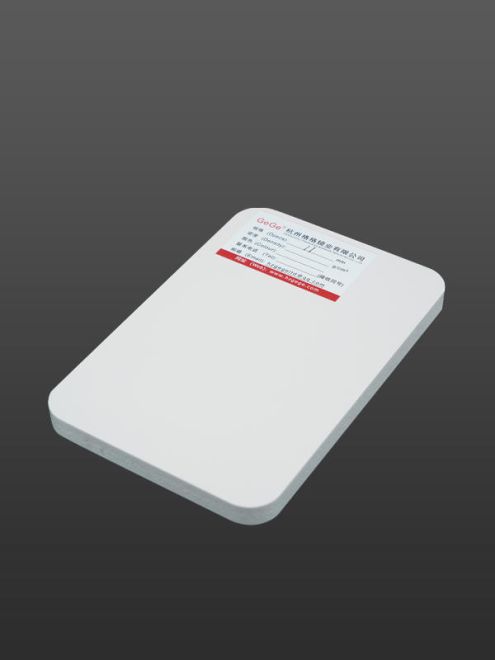
Importing coextruded foam plank can feel like dating in the dark: you’re never sure what you’ll actually get until it shows up at your warehouse—and by then, the “surprise” is painfully expensive.
This guide explains specs, testing, and supplier checks, so you lock in consistent quality and fair prices, backed by data from the U.S. International Trade Commission.
1. 📦 What Is Coextruded Foam Plank and Core Performance Advantages
Coextruded foam plank is a multi-layer PVC sheet with a strong outer skin and light foam core. It offers high strength, low weight, and stable dimensions for global buyers.
Importers use it for furniture, signage, cabinets, and construction because it resists water, chemicals, and impact while staying easy to cut, route, and bond.
1.1 Layered Structure and Surface Hardness
The outer cap layer gives a smooth, hard surface, while the inner foam core keeps the board light and easy to process for volume projects.
- Cap layer: scratch resistant, printable, UV stable
- Core: low density, good screw holding
- Typical thickness: 3–30 mm
- Ideal for indoor cabinets and displays
1.2 Key Application Segments for Importers
Coextruded foam planks serve many markets, which helps importers spread risk and grow stable orders in different regions.
| Segment | Typical Use |
|---|---|
| Furniture | Doors, cabinet bodies, shelves |
| Construction | Wall panels, partitions |
| Advertising | Signs, display boards |
| Bathroom | Moisture-proof cabinets and panels |
1.3 Comparison with Traditional Wood and Solid PVC
Compared with wood panels and solid PVC, coextruded foam plank cuts weight and saves cost while keeping reliable strength and long service life.
- Lighter than MDF and plywood
- No swelling, no rot in wet rooms
- Lower resin use than solid PVC sheets
- Less need for sanding and painting
1.4 Typical End Products and Related PVC Solutions
Coextruded foam plank works well with other PVC products, giving importers a full product line for cabinets, panels, and decorative boards.
- Bathroom furniture such as KP-5809 plywood wall hung PVC bathroom cabinet with sink
- Colored panels like 3-30mm Color PVC Foam Board Waterproof and Fireproof PVC Foam Sheet PVC Celuka Board
- Decorative skin boards such as waterproof film carving coated PVC foam board
2. 🧪 Key Material Specifications, Densities, and Mechanical Properties for Importers
When you plan bulk imports, focus on density, thickness range, bending strength, and surface hardness. These values decide transport cost, machining speed, and final product life.
Clear data sheets and test reports help you compare suppliers and avoid hidden quality risks, especially for demanding furniture and construction buyers.
2.1 Standard Density and Thickness Range
Density affects strength, weight, and price. Importers usually choose medium densities to balance cost, screw holding, and easy cutting.
| Item | Common Range |
|---|---|
| Density | 0.45–0.75 g/cm³ |
| Thickness | 3–30 mm |
| Width | 1220–1560 mm |
| Length | 2440 mm or customized |
2.2 Mechanical Strength and Impact Resistance
For cabinets, doors, and partitions, bending strength and impact resistance must meet local building and furniture norms in your target market.
- Flexural strength: typically 15–25 MPa
- Impact resistance: stable under daily use
- Good nail and screw holding with proper density
- Low creep under long-term load
2.3 Surface Hardness and Printability
The coextruded skin layer gives a hard, smooth surface that accepts printing, lamination, and routing without dusting or tearing.
- Matte, satin, or high-gloss finishes
- Easy digital or screen printing
- Good edge quality after cutting and milling
- Reduced need for final coating
2.4 ECharts Bar Chart: Density vs. Flexural Strength
The chart below shows how higher density usually brings higher flexural strength, helping importers pick grades for different uses.
3. 🌍 Global Compliance, Safety Standards, and Environmental Regulations You Must Know
Meeting global standards keeps your shipments smooth and protects your brand. Focus on fire rating, heavy-metal limits, VOCs, and recycling responsibilities.
Ask for test reports from accredited labs to match EU, US, and other regional rules before you sign long-term supply contracts.
3.1 Fire Behaviour and Building Codes
Fire performance is critical for wall panels and public-area furniture. Confirm the exact standard and class required in your target country.
- EN 13501-1 fire classification in Europe
- ASTM E84 surface burning tests in North America
- Special requirements for hospitals, schools, and transit areas
3.2 Chemical Safety: RoHS, REACH, and VOC Limits
Importers must control heavy metals, plasticizers, and formaldehyde-like emissions to pass customs and retailer audits.
| Regulation | Focus |
|---|---|
| RoHS | Limits lead, cadmium, and other heavy metals |
| REACH | Controls SVHC chemicals in the EU |
| VOC rules | Indoor air quality for furniture and panels |
3.3 Environmental Responsibility and Recycling
Low-waste production, recycled PVC use, and take-back programs support green branding and help you access high-end buyers.
- Use of recycled content where allowed
- Closed-loop scrap collection at factories
- Clear marking for downstream recycling
4. 🚢 Packaging, Loading, and International Shipping Considerations for Foam Plank Batches
Good packaging and loading protect foam planks from warping, dents, and dirt so you avoid claims and keep repeat orders strong.
Work with suppliers who share container plans and packing lists in advance to lower risk and speed up customs clearance.
4.1 Standard Export Packaging Solutions
Boards are usually stacked on pallets then wrapped to prevent movement and surface damage during long ocean transport.
- PE film wrapping and corner guards
- Moisture barrier for sea containers
- Clear labels with size, grade, and batch
4.2 Container Loading Optimization
Optimized stacking raises loading rate while keeping boards flat and safe from compression damage or sliding.
| Container | Typical Load |
|---|---|
| 20 ft | Approx. 8–10 tons |
| 40 ft | Approx. 16–22 tons |
| High Cube | Used for bulky, light boards |
4.3 Documentation and Insurance for Importers
Accurate documents keep customs and claims simple. Check them before shipment and keep digital copies for your teams.
- Commercial invoice and packing list
- Certificate of origin and test reports
- Cargo insurance and photos of loading
5. ⭐ Why Global Importers Prefer GeGe for Stable Coextruded Foam Supply
GeGe supports importers with reliable quality, stable capacity, and technical guidance, helping you win repeat orders in competitive furniture and building markets.
Its broad PVC product line also lets you bundle boards, cabinets, and finished parts in one shipment for lower landed costs.
5.1 Consistent Quality and Process Control
GeGe runs strict raw material checks, in-line thickness control, and final inspection, which keeps each batch close to your required specs.
- Recorded density and thickness for every batch
- Regular mechanical and fire tests
- Color consistency for repeat projects
5.2 Technical Support and Custom Development
For large importers, GeGe can tune density, color, surface texture, and packaging to match your local brand and usage needs.
| Custom Option | Benefit |
|---|---|
| Color and embossing | Brand identity and better appearance |
| Special thickness | Less cutting, less waste |
| Private-label packing | Direct to retail shelves |
5.3 Supply Capacity and Long-Term Partnership
Strong production capacity and flexible order plans help importers build long-term programs and grow new markets with less risk.
- Stable lead times for mixed containers
- Support for trial orders and samples
- Experience with many export markets
Conclusion
Coextruded foam plank gives global importers a light, strong, and water‑resistant choice for cabinets, wall panels, and displays. Its layered design cuts weight while keeping stable performance.
By checking density, mechanical data, standards, and packing plans, you can choose the right supplier, reduce claims, and grow repeat orders in key markets.
Frequently Asked Questions about coextruded foam plank
1. What is the main difference between coextruded foam plank and normal PVC foam board?
Coextruded foam plank has a harder outer skin and a foamed core. This gives better surface strength and finish while keeping the board light and easy to process.
2. Can coextruded foam planks replace plywood in bathroom furniture?
Yes, in many cases. They resist water, will not swell like plywood, and work well for doors, side panels, and shelves in bathroom cabinets and vanities.
3. How should I choose the right density for my market?
Use lower density for light displays and non‑load panels. Choose medium or higher density for cabinets, doors, and places where screws and hinges carry weight.
4. Are these foam planks safe for indoor use?
When they follow RoHS, REACH, and local VOC rules, they are safe for indoor furniture and panels. Always ask for updated test reports from the supplier.
5. What information should be on the specification sheet before I place an order?
You should confirm density, thickness, dimensions, tolerance, color, surface finish, fire rating, packing type, and test standards used for mechanical and safety data.