
 LANGUAGE


Importing coextruded foam sheet shouldn’t feel like decoding alien plastic, yet HS codes, densities, and strange samples keep turning your inbox into a sci‑fi script instead of a clean purchase order.
This guide explains specs, testing, and sourcing, with references to standards from ASTM International, so you can compare suppliers, cut risks, and negotiate like a pro.
📌 Understanding Coextruded Foam Sheet Structure, Layers, and Performance Advantages
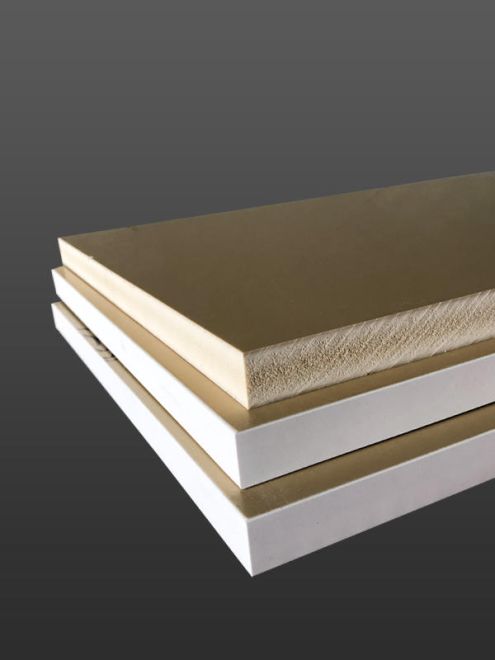
Coextruded foam sheet combines multiple PVC layers in a single run. Importers get better surface hardness, printability, and impact strength while keeping weight and cost under control.
By tuning each layer, producers match specific uses such as signage, cabinets, displays, and flooring. This helps buyers reduce waste and improve long‑term performance in tough markets.
1. Core–Skin Layer Design
The core layer is foamed and light, while outer skins stay dense and smooth. This design offers stiffness, flatness, and clean edges for cutting and routing.
- Foamed PVC core for low weight
- Solid PVC skins for strength
- Better screw holding and machining
2. Surface Finish and Color Options
Coextrusion supports matt, gloss, and texture finishes in bright or custom colors. This cuts extra laminating work and speeds processing for signage and furniture lines.
- Direct printing and UV ink adhesion
- Scratch‑resistant outer skins
- Brand‑matched colors in one pass
3. Mechanical and Thermal Stability
Layer design reduces warping, improves dimensional accuracy, and widens the safe temperature range. This is vital for outdoor signs, transport interiors, and long‑term fixtures.
| Feature | Benefit |
|---|---|
| High modulus skins | Less bending and sagging |
| Balanced layers | Reduced twist and bow |
| Heat‑stable PVC | Better shape retention |
4. Matching Products to Applications
Importers can choose coextruded sheets for displays, cabinets, and flooring substrates. Pair colored sheets with white cores to balance design and budget.
- Color PVC Foam Board – Premium Colored PVC Extruded Foam Sheets & Boards
- Color PVC Foam Board – Vibrant Rigid Foam Sheets for Signage & Decoration
- 27MM White non-toxic pvc foam board thick rigid sheet for flooring
🧪 Key Material Properties Importers Must Know: Density, Hardness, and Durability
For global buyers, core data such as density, Shore hardness, impact strength, and aging behavior decide if a coextruded foam sheet fits technical and legal demands.
Ask suppliers for test reports with clear units and methods. Compare these values to your local standards, project needs, and competing materials like wood, metal, or solid PVC.
1. Density and Weight Control
Density affects stiffness, weight per sheet, and freight cost. Lower density saves shipping cost, while higher density raises load capacity and screw holding strength.
| Grade | Density (g/cm³) | Main Use |
|---|---|---|
| Light | 0.40–0.45 | Indoor signs, displays |
| Standard | 0.45–0.55 | Cabinets, partitions |
| Heavy | 0.55–0.70 | Flooring, structural parts |
2. Surface Hardness and Scratch Resistance
Shore D hardness tells you how well the sheet resists dents and scratches. Hard skins support high‑traffic areas and frequent cleaning in stores and public spaces.
- Higher Shore D = stronger surface
- Better print durability
- Less visible handling damage
3. Durability, Weathering, and Aging
Outdoor or humid projects need UV‑stabilized skins and robust impact values. Verify test data for color change, brittleness, and water absorption over time.
- UV resistance for outdoor signs
- Low water uptake for bathrooms
- Stable color under sunlight
4. Example Property Comparison (Visualization)
The chart below compares three typical grades: Light, Standard, and Heavy. Use it as a quick guide when planning imports and stock levels.
🌍 Global Compliance, Safety Standards, and Documentation for Coextruded Foam Sheet Imports
Importers must confirm that coextruded foam sheets meet safety, environmental, and fire rules in their target markets before shipments leave the factory.
Clear documentation reduces customs delays, fines, and returns. Work with suppliers who provide full test reports, labeling, and traceable batch records.
1. Key Regulations and Certificates
Check which rules apply in your region and sector. Ask for updated, third‑party test reports that match your exact thickness and grade.
- RoHS / REACH for chemicals
- EN or ASTM fire tests
- ISO 9001 quality systems
2. Customs, HS Codes, and Labeling
Correct HS codes and English‑language invoices support smooth clearance. Include full product names, density, size, and material type on documents and packaging.
| Item | What to Show |
|---|---|
| HS Code | Matched to plastic foam sheet |
| Description | “Coextruded PVC foam sheet, size, density” |
| Origin | Country of manufacture |
3. Safety Data and Technical Files
Request Safety Data Sheets, technical data sheets, and test summaries. Store them for audits and for your downstream customers and installers.
- Material Safety Data Sheet (SDS)
- Fire and toxicity reports
- Installation and handling guides
🏭 Production Processes, Quality Control, and How GeGe Ensures Stable Specifications
Stable coextruded foam sheet starts with strict control of raw materials, extrusion conditions, and in‑line monitoring from melt to finished board.
GeGe uses standardized recipes and testing to give importers repeatable density, thickness, and color across large container orders.
1. Controlled Coextrusion Process
Multiple extruders feed a single die, forming skins and core together. Tight control of melt temperature and foaming keeps density and thickness consistent.
- Automatic dosing of resin and additives
- Online thickness measurement
- Continuous surface inspection
2. In‑Line and Lab Quality Checks
Technicians check dimensions, weight, hardness, and color each shift. Lab tests confirm impact strength and aging behavior on a regular schedule.
| Test | Frequency |
|---|---|
| Thickness & width | Each pallet |
| Density | Each batch |
| Color & gloss | Each production run |
3. Batch Traceability and Samples
Each pallet carries batch codes linking back to raw materials and settings. Retained samples allow quick investigation if an importer reports an issue.
- Unique batch ID on labels
- Retained samples for 12–24 months
- Corrective action records
📦 Packaging, Shipping, and Storage Tips to Reduce Losses in Cross-Border Transport
Good packaging and loading methods protect coextruded foam sheets from dents, dirt, and warping during long sea or land transport.
Plan storage at destination to avoid moisture, heat, and point loads that may damage flatness and print quality.
1. Export‑Ready Packaging
Use PE film, corner guards, and strong pallets. Strap and wrap pallets so sheets cannot move or rub during handling and stacking.
- Cover edges and corners
- Use moisture‑resistant wrapping
- Mark handling directions clearly
2. Container Loading and Handling
Distribute weight evenly and avoid leaning pallets on walls. Train staff to lift sheets by two edges to prevent bending and cracking.
| Step | Best Practice |
|---|---|
| Stacking | Flat, no overhang |
| Securing | Use straps and blocks |
| Unloading | Fork extensions or spreader bars |
3. Storage at Warehouse and Jobsite
Store sheets flat on level supports, out of sun and rain. Allow temperature balancing before cutting or printing to reduce warping.
- Indoor, dry, and ventilated rooms
- Avoid direct sunlight and heaters
- Keep in original wrapping until use
Conclusion
Coextruded foam sheet offers importers a strong mix of light weight, surface quality, and design freedom. Understanding structure, key properties, and rules helps you choose the right grades.
Work with factories that prove their quality control, supply full documents, and package well for long routes. This keeps claims low and margins stable across markets.
Frequently Asked Questions about coextruded foam sheet
1. What is the main difference between coextruded foam sheet and single-layer foam board?
Coextruded foam sheet has separate core and skin layers made in one step. This gives better surface hardness, print quality, and stiffness than a single uniform foam layer.
2. Can coextruded foam sheets be printed and painted directly?
Yes. The dense outer skins accept UV printing, screen printing, and most paints after light cleaning. Always test inks and primers on a small sample first.
3. Are coextruded PVC foam sheets safe for indoor use?
When made with compliant additives and tested for VOCs and heavy metals, coextruded PVC foam sheets are widely used indoors in signage and furniture.
4. How should I choose thickness and density for a new project?
Define load, span, and installation method. For light indoor signs, lower density works. For cabinets or flooring substrates, choose thicker, higher‑density grades.
5. What is the typical lead time for bulk orders?
Lead time is often 2–4 weeks after deposit, depending on color, thickness, and volume. Confirm schedules early, especially before peak shipping seasons.