
 LANGUAGE


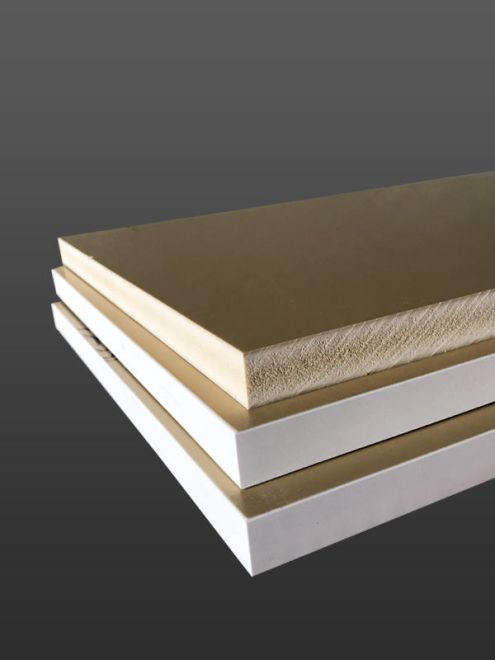
Staring at PVC foam boards and acrylic sheets like they’re twins at a family reunion? Relax—you’re not the only one who wonders which magic plastic wins for signs, displays, and DIY brilliance.
This guide compares durability, weight, cost, and finish, so you can choose with confidence, not guesswork—backed by material performance data from ScienceDirect’s polymer materials report.
🔹 Material Composition and Core Properties of PVC Foam Board vs Acrylic
PVC foam board and acrylic sheet each offer unique benefits for displays, furniture, and interiors. Buyers should compare composition, density, and stiffness before choosing the right panel.
PVC foam boards feature a lightweight, closed-cell structure. Acrylic sheets are solid and rigid with strong optical clarity, making them ideal where transparency and gloss matter most.
1. Structure and Composition
PVC foam board is made from polyvinyl chloride with air-filled cells. Acrylic is a solid polymethyl methacrylate sheet with higher density and clarity.
- PVC foam: lightweight, matte, easy to cut
- Acrylic: rigid, glossy, excellent light transmission
2. Surface Finish and Printing
PVC foam accepts paint, UV printing, and lamination well. Acrylic offers premium gloss but often needs surface preparation before printing.
- PVC: ideal for signage, digital prints, laminates
- Acrylic: great for high-end branding, illuminated signs
3. Moisture and Chemical Behavior
PVC foam shows strong water resistance and good chemical stability. Acrylic resists many chemicals but can scratch and craze under stress and harsh cleaners.
| Property | PVC Foam | Acrylic |
|---|---|---|
| Water absorption | Very low | Low |
| Chemical resistance | Good | Moderate–good |
4. Best-Fit Material Uses
For carved finishes and coated decorative panels, PVC foam is usually more efficient. For crystal-clear panels or light boxes, acrylic stands out.
- Carving Coated PVC Foam offers strong visual depth
- Acrylic suits clear guards and display windows
🔹 Comparing Strength, Durability, and Impact Resistance in Everyday Applications
Strength and impact resistance shape long-term value. PVC foam boards resist dents and water, while acrylic resists UV and offers higher superficial hardness.
Smart buyers match mechanical performance to real-world use, such as cabinets, wall panels, shopfitting, or protective screens.
1. Typical Mechanical Performance
PVC foam has lower tensile strength than acrylic but better energy absorption on impact, helping reduce crack risk in many indoor uses.
2. Indoor Wear and Tear
Acrylic resists surface scratching less than many expect and may need polishing. PVC foam hides small marks better due to its matte texture.
| Use | Recommended Material |
|---|---|
| Retail shelving cladding | PVC foam |
| Display covers | Acrylic |
3. Impact and Breakage Risk
Under direct hits, PVC foam tends to dent or compress. Acrylic is stiffer but may crack or chip if heavily stressed.
- PVC foam: safer for high-traffic walls and kids’ areas
- Acrylic: good where clarity and rigidity matter most
4. Water-Exposed and Humid Areas
PVC foam shines in damp conditions such as bathrooms and kitchens. It resists swelling and rot better than many wood or paper panels.
- 19mm Waterproof White PVC Foam Board – Ideal Wall & Bathroom Cabinet Panel is engineered for wet rooms
🔹 Weight, Workability, and Ease of Fabrication for Custom Projects
PVC foam board is lighter and easier to cut, drill, and route than acrylic, helping reduce labor time and tool wear for custom projects.
Acrylic still works very well for laser cutting and polished edges but requires more care to prevent cracking and heat marks.
1. Cutting, Drilling, and Routing
Standard woodworking tools handle PVC foam easily. Acrylic needs sharper blades and proper feed rates to avoid chips and micro cracks.
- PVC: friendly for on-site modifications
- Acrylic: better in controlled workshop settings
2. Forming, Bending, and Jointing
PVC foam can be lightly heated and bent, and it accepts many adhesives. Acrylic can be thermoformed with care and joined with solvent cements.
| Process | PVC Foam | Acrylic |
|---|---|---|
| Cold bending | Limited | Limited |
| Heat forming | Easy | Precise control needed |
3. CNC, Carving, and Edge Details
PVC foam carves smoothly, making it ideal for routed signs, relief patterns, and detailed panels with colored coatings or edge treatments.
- Edge Banding Carving Coated PVC Foam Board – Decorative & Durable Panel for Furniture and Interior Use simplifies premium finishes
🔹 Weather Resistance, Maintenance Needs, and Long-Term Appearance Outdoors
Both PVC foam and acrylic can work outdoors, but UV protection, coating quality, and cleaning routines decide how long they stay attractive.
Designers should balance sun exposure, rainfall, and expected cleaning cycles to pick the right balance of durability and cost.
1. UV and Color Stability
Quality acrylic resists yellowing and holds gloss well. PVC foam benefits from UV-stable coatings and films for bright, long-lasting colors.
- Use UV inks or films on PVC foam signs
- Select outdoor-grade acrylic for sun-facing glazing
2. Cleaning and Upkeep
PVC foam cleans easily with mild soap and water. Acrylic also cleans well but needs non-abrasive cloths to avoid scratching the surface.
| Cleaner | PVC Foam | Acrylic |
|---|---|---|
| Mild detergent | Recommended | Recommended |
| Abrasive agents | Avoid | Strictly avoid |
3. Outdoor Lifetime Expectations
PVC foam with protective coatings can perform well for exterior signage and cladding. Acrylic excels for clear panels in canopies and light boxes.
- Check local climate before final selection
- Ask for warranty and outdoor grade data
🔹 Cost, Value, and Why GeGe Is a Reliable Choice
PVC foam boards usually offer a lower cost per square meter than acrylic, especially at thicker sizes, while still delivering strong performance.
GeGe focuses on stable quality, reliable supply, and tailored thickness options to ensure better overall value for buyers and brand owners.
1. Material Cost vs Performance
For many indoor panels, PVC foam achieves similar visual results as acrylic at lower cost and weight, improving installation and transport savings.
- Lower shipping weight with PVC foam
- Less breakage loss on site
2. Lifecycle and Replacement Frequency
Good PVC foam boards last many years when installed correctly. Reduced damage and easy maintenance often cut replacement cycles and downtime.
| Factor | PVC Foam | Acrylic |
|---|---|---|
| Upfront cost | Lower | Higher |
| Damage risk in handling | Lower | Higher |
3. GeGe Product and Service Advantages
GeGe offers calibrated thickness, stable density, and consistent color batches, backed by technical support for signage, furniture, and construction buyers.
- Wide size and thickness selection
- Support for carving, coating, and edge banding needs
Conclusion
PVC foam board and acrylic sheet both serve key roles in modern interiors, signage, and displays. Your choice should reflect clarity needs, impact risk, and project budget.
For carved panels, bathroom cabinets, and lightweight cladding, PVC foam often provides the best balance of cost, durability, and ease of work, especially from trusted makers like GeGe.
Frequently Asked Questions about foam board pvc
1. Is PVC foam board waterproof?
Yes. PVC foam board is highly water resistant and does not swell or rot in damp rooms, making it ideal for bathrooms, kitchens, and laundry spaces.
2. Can I paint and print directly on PVC foam board?
Yes. You can paint, UV print, and laminate directly onto PVC foam board. Light sanding and cleaning the surface usually improve adhesion and print quality.
3. Is PVC foam board safe for indoor furniture?
Quality PVC foam boards are widely used in cabinets, wall panels, and displays. Always source from reputable brands and confirm compliance with local safety standards.
4. How does PVC foam board compare to wood in cabinets?
PVC foam is lighter, waterproof, and does not warp like many wood panels. It also reduces maintenance needs in humid zones such as bathrooms and kitchens.
5. Can PVC foam board be used outdoors?
Yes, for many signs and cladding uses. Choose outdoor-grade sheets, use UV inks or films, and follow proper installation methods for longer service life.